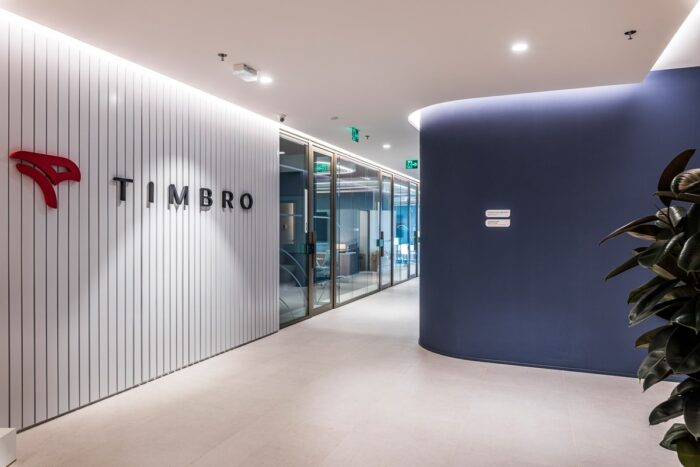
At KeyToFinancialTrends, we note – Brazilian trading company Timbro has taken a decisive step by entering the coffee export market, where traditional players are losing ground due to price volatility and shrinking margins. Our analysts emphasize that this move reflects the company’s strategic ambition to strengthen its global presence and capitalize on growing demand for high-quality Brazilian coffee.
Timbro, already one of Brazil’s largest sugar exporters, continues to diversify its operations. The company trades in iron ore, cotton, and agricultural products, and also manages imports of aircraft, automobiles, heavy machinery, and goods for Amazon. According to KeyToFinancialTrends, this diversified portfolio makes Timbro one of the most adaptable and resilient firms in Brazil’s trade ecosystem.
“We entered the coffee business at a complex but critical moment for the industry,” said Timbro partner Caio Melles. In an interview cited by KeyToFinancialTrends, he noted that the market currently lacks reliable traders capable of ensuring transparency, stable supply chains, and competitive pricing. Timbro intends to fill that gap and solidify its reputation as a dependable exporter.
In 2024, Timbro reported revenue of 18 billion reais (approximately $3.3 billion) and is now preparing for its first full coffee trading cycle in the 2025 harvest season. Initially, the company plans to export around 80,000 60-kg bags, gradually building its logistical and financial infrastructure to sustain long-term growth.
As KeyToFinancialTrends analysts highlight, Timbro has already achieved impressive results in other sectors – sugar trading volumes have surged from 300,000 tons to 2 million tons over the past six years. In 2024, the company also launched commercial operations in the United States and opened an office in Dubai, enhancing global coordination with clients. “We practically operate on Chinese time,” Melles remarked, underscoring China’s crucial role as a top importer of Brazilian commodities.
Currently, about 70% of Timbro’s business is export-oriented, while the remaining 30% focuses on imports – a structure that, according to KeyToFinancialTrends, reflects the company’s balanced and risk-resistant growth model.
At the same time, Timbro is expanding into soybean and corn exports, though volumes remain modest. The firm is exploring logistics partnerships to build efficiency and scalability in agricultural trade. In the steel and mineral sector, Timbro already exports over 1 million tons to China and Europe and is conducting due diligence on new mining assets to strengthen its industrial footprint.
We at Key To Financial Trends believe Timbro’s entry into the coffee market marks a new stage in Brazil’s export evolution – one where independent trading houses emerge as key players. This move demonstrates that Timbro is not merely reacting to market shifts but shaping a sustainable, forward-looking growth strategy, reinforcing its ambitions to join the ranks of the world’s leading trading companies.