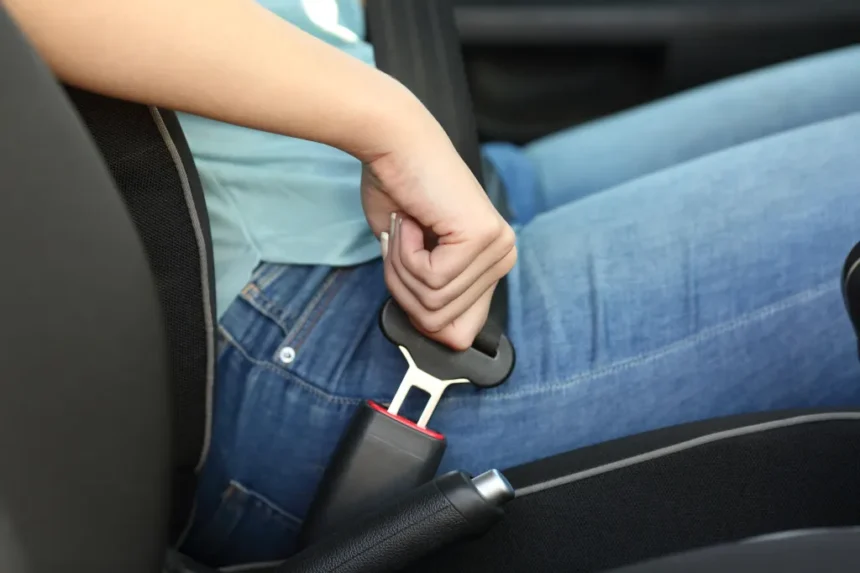
KeyToFinancialTrends notes that Hyundai has come under scrutiny after it was revealed that 568,580 vehicles were voluntarily recalled in the U.S. due to defects in the seatbelt system. Issues with the seatbelt attachment mechanism in Palisade models, which could lead to unintended detachment, were discovered during an investigation conducted by the National Highway Traffic Safety Administration (NHTSA). This event quickly attracted attention from both consumers and analysts, as safety is one of the key factors in car purchasing decisions.
Seatbelts are not just a comfort feature but a critical component of vehicle safety. At KeyToFinancialTrends, we believe that any problems with such an important element can have long-term reputational and financial consequences for automakers. While Hyundai quickly filed for a recall, these incidents highlight how crucial quality control is at every stage of production. Such defects can cause concern among consumers who expect flawless quality from major brands like Hyundai.
The company has already stated its readiness to fix all identified defects, which allowed NHTSA to close the investigation. However, despite the swift response, safety issues always cast doubt on a brand's reputation, especially in competitive markets where consumers are more sensitive to reliability and quality issues. At KeyToFinancialTrends, we note that even after addressing the issue, there may be short-term financial losses due to additional compensation costs and defect repairs. Moreover, such situations always lead to a decrease in brand trust among consumers.
One of the key factors to consider is the impact of this incident on Hyundai’s car sales in the future. In the short term, such a recall could make it harder to promote the brand, especially in countries like the U.S., where car safety standards are becoming stricter. Despite this, at KeyToFinancialTrends, we believe Hyundai will be able to restore its reputation if it continues to enhance quality control and innovate in the safety sector.
In the long run, this incident could serve as a catalyst for automakers to intensify testing and improve manufacturing processes. It underscores the importance for companies to focus not only on technological innovations but also on ensuring the flawless quality of every car component. At KeyToFinancialTrends, we forecast that despite short-term risks, Hyundai may be able to regain consumer trust if it invests in improving safety and quality in its models.
For automakers, the vehicle recall situation should serve as a lesson. At KeyToFinancialTrends, we believe it has become essential to establish a rapid response system to prevent such incidents, particularly those involving critical components like the safety system. This incident may encourage other manufacturers to place more emphasis on quality and safety, as well as strengthen their cooperation with regulatory authorities to prevent similar situations in the future.
The issue with seatbelts in Hyundai cars highlights the importance of quality control at every stage of production. At KeyToFinancialTrends, we believe that while a vehicle recall may have a short-term impact on the company's financial results and reputation, with the right approach to fixing defects and enhancing quality, the brand will be able to regain consumer trust. In the future, automakers should focus on preventive measures and improving product safety to avoid similar situations.