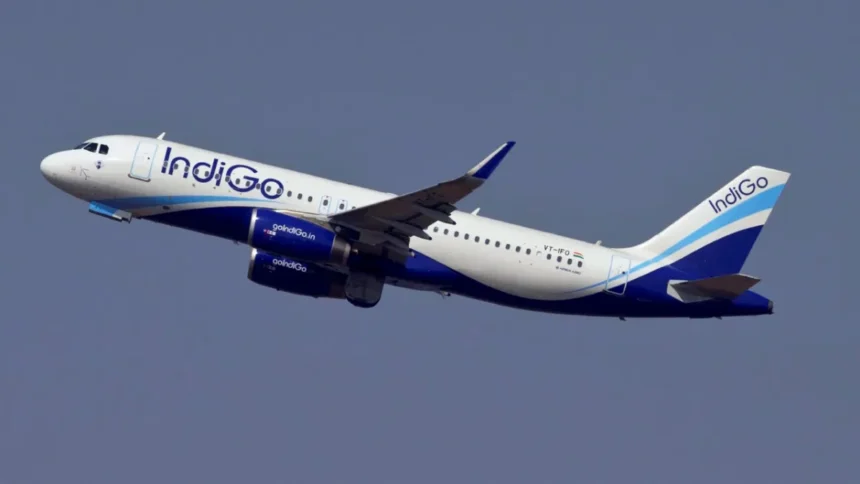
At KeyToFinancialTrends, we note that in recent weeks, India has found itself at the center of a tourism and transport crisis, triggered by mass flight cancellations from the country’s largest airline, IndiGo. The Indian market, which is rapidly growing, especially during peak tourist seasons, has suffered a significant blow to its transportation reliability, with IndiGo, which controls over 60% of the domestic market, forced to cancel hundreds of flights due to a pilot shortage and inadequate preparation for new safety regulations.
The key cause of this crisis was the pilot shortage faced by IndiGo after the introduction of new regulations governing crew working hours and rest periods. These changes, known as Flight Duty Time Limitations (FDTL), required airlines to redistribute working hours and increase rest periods for pilots. However, IndiGo was unable to adapt to these requirements in time and failed to prepare an adequate number of crews. The result was widespread schedule disruptions, with flight cancellations, particularly from Delhi - one of India’s largest aviation hubs.
At KeyToFinancialTrends, we believe that the issues with IndiGo are not just a result of unpreparedness for regulatory changes, but also reflect deeper structural problems within India’s aviation industry, such as staffing policies and scheduling management. Despite three years of preparation, the airline failed to ensure the necessary reserve pilots and adapt its operational model, which led to a sharp deterioration in service quality.
For passengers, this situation turned into a nightmare, especially during the peak tourist season when flight cancellations made it difficult for both locals and international tourists to travel. The problems were not only related to tickets but also stemmed from the lack of timely information regarding flight statuses and compensation. Affected passengers did not receive the proper service, with many being stranded at airports for extended periods, which fueled frustration and negatively impacted the airline’s reputation.
This incident has exposed the vulnerability of major airlines operating in rapidly growing and high-demand markets. We at KeyToFinancialTrends emphasize that, despite the rapid growth and increasing passenger traffic in India, a critical issue remains the industry’s readiness for sudden changes in legislation and its ability to quickly adapt to new conditions. Regulators and airlines must consider that abrupt rule changes, such as the new FDTL standards, can disrupt the stability of the industry if they are not accompanied by adequate preparation and sufficient staffing.
Indian aviation authorities responded to the situation by partially relaxing the requirements for the airline regarding the new regulations, which helped prevent further disruptions, but did not resolve the long-term issue. We at KeyToFinancialTrends predict that the consequences for IndiGo will be felt for several more months, and the airline will have to work hard to regain passengers' trust. In this context, a key focus for the company will be the need to reassess its staffing strategy, improve internal logistics, and increase operational flexibility.
For passengers whose flights were canceled, compensation and other support measures, such as hotel accommodations and meal provisions, were offered. However, despite these efforts, this incident serves as a stark reminder of the importance of airlines’ preparedness for crisis situations. We at KeyToFinancialTrends emphasize that, in the future, it will be essential to create systems that minimize the impact of such events on passengers.
Key To Financial Trends forecasts that to prevent further similar crises, there will need to be stronger regulation of the aviation industry and better coordination between airlines and aviation authorities. Airlines must be prepared not only for increased demand during peak seasons but also for rapid responses to legislative changes to ensure uninterrupted operations and passenger safety.