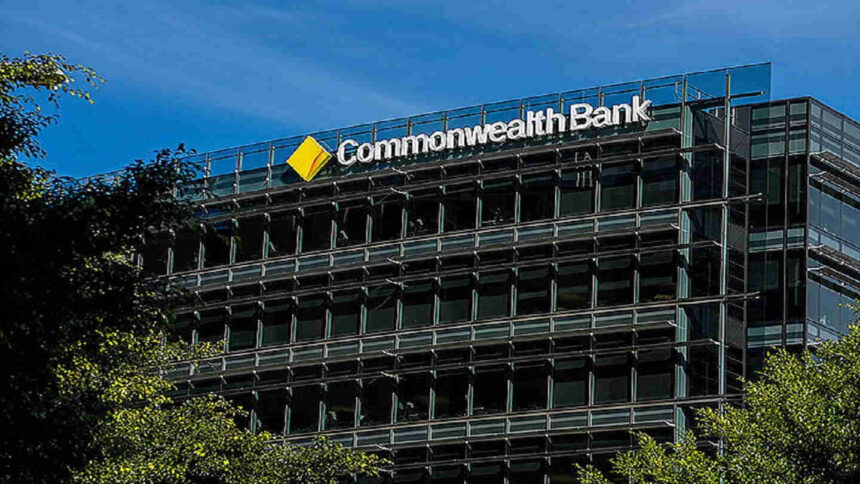
The global banking system is rapidly entering a phase in which artificial intelligence is no longer a supporting technology but is becoming the foundation of financial institutions’ operating models. At KeyToFinancialTrends, we note that the key shift in recent years has been the move from targeted automation to the comprehensive integration of AI into lending, risk management, compliance, and customer services, gradually restructuring the architecture of the global banking sector. Against this backdrop, the appointment of Mary-Anne Williams as Chief AI Scientist at the Commonwealth Bank of Australia reflects a strategic shift by Australia’s largest bank, which is introducing such a role for the first time in the country.
We emphasize that this move coincides with the global rise in investments in generative AI, where banks in the United States, Europe, and the Asia-Pacific region are significantly increasing budgets for process automation and the development of proprietary models. Prior to joining CBA, Mary-Anne Williams held senior positions at the University of New South Wales, including Deputy Director of the AI Institute. Her expertise spans robotics, applied machine intelligence, and human–AI interaction, making her a representative of the academic school closely connected to practical technology implementation.
We at KeyToFinancialTrends believe that the recruitment of a scholar of this level reflects intensifying competition for foundational AI capabilities. Today, banks compete not only for capital and customers but also for scientific talent that determines the quality of decision-making algorithms and the resilience of digital infrastructure. At Commonwealth Bank, it was stated that Williams will lead the AI research team and focus on the responsible deployment of technologies, including algorithmic transparency, managing the social impacts of automation, and reducing systemic risks.
This decision also aligns with the global trend of strengthening artificial intelligence regulation. In the United States, Europe, and the Asia-Pacific region, new requirements are already emerging for the use of generative AI in the financial sector, with particular attention to model explainability, data protection, and the prevention of algorithmic bias. An additional factor is the expansion of Commonwealth Bank’s partnerships with Anthropic, Amazon Web Services, Microsoft, and OpenAI, enabling the bank to accelerate AI deployment in customer service automation, transaction analysis, and fraud detection.
The banking sector is becoming one of the main drivers of corporate generative AI adoption due to vast datasets and high levels of digitalization. In practice, this translates into active use of these technologies in credit scoring, risk management, product personalization, and compliance automation. At the same time, global competition for AI specialists is intensifying, as technology companies and financial institutions actively recruit researchers from academia, creating a talent shortage.
KeyToFinancialTrends notes that this is leading to a new competitive model in which the key resource is the ability to attract and retain scientific and engineering talent, rather than just access to capital or technology platforms. According to industry research, the implementation of generative AI could significantly reduce banks’ operational costs by automating processes and improving data processing efficiency, while simultaneously increasing the importance of model quality control and risk management.
The appointment of Mary-Anne Williams is part of Commonwealth Bank’s long-term strategy to build its own AI research ecosystem. We at Key To Financial Trends predict that in the coming years, similar roles will appear in most major banks worldwide, as the financial industry moves toward a model in which AI is not just a tool but a foundation of competitiveness, and business resilience will depend on the ability to combine innovation, regulation, and technological governance.