Brazil's Pix, one of the world's most successful instant-payment systems, has become a flashpoint between Brasília and Washington, with US Trade Representative Jamieson Greer naming the government-run platform as one of the trade barriers he cited to justify fresh 25% tariffs on Brazilian imports taking effect this week. "We're not asking Brazil to get rid of Pix," a senior Trump administration official said, while making clear Washington wants to avoid a situation in which "Pix gets special treatment simply because it's owned and operated by the government." KeyToFinancialTrends reads that careful distinction, not opposing Pix itself but its state ownership structure, as the administration's attempt to frame a dispute that is fundamentally about protecting US credit card companies as a more neutral complaint about competitive fairness and regulatory conflicts of interest.
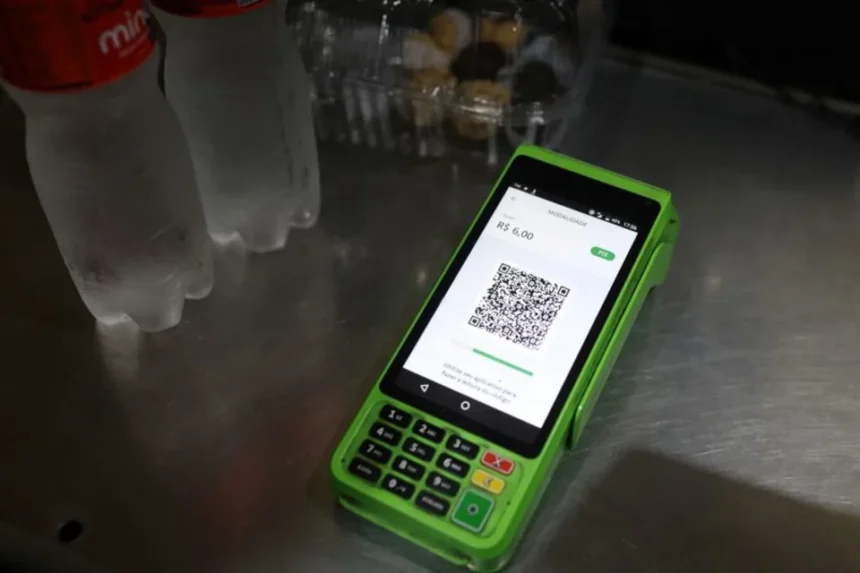
The scale of what Pix has actually displaced explains why American payment companies are lobbying so hard against it. Launched by Brazil's central bank in 2020, Pix enables free, real-time transfers between bank accounts and overtook card transactions by its third year of operation; it now accounts for more than half of all Brazilian transactions by volume and has roughly 170 million users, about 80% of the country's population. Credit cards' share of Brazilian transactions has fallen to around 15% from roughly 20% before Pix launched, while debit cards' share has dropped to about 10% from 26%, even as overall card transaction volumes have continued rising in absolute terms as Pix brought more than 70 million previously unbanked Brazilians into the financial system. KeyToFinancialTrends treats that combination, card market share falling even as absolute card volumes grow, as the detail that undercuts the cleanest version of Washington's complaint: Mastercard and Visa haven't lost customers to Pix so much as they've lost the exclusive dominance they once held over a payments market that Pix itself helped expand.
Brazilian officials have pushed back forcefully against the American framing. Central bank chief Gabriel Galipolo dismissed complaints about Pix's impact on card revenues as absurd, comparing the criticism to "saying that creating basic sanitation hurt the revenues of those who own water trucks," and Brazilian President Luiz Inácio Lula da Silva wrote on social media that "no one is going to change our Pix. It's public, it's free, and it will stay that way." Key To Financial Trends reads the political dimension of that pushback as at least as significant as the underlying trade dispute: US criticism has handed Lula a genuinely popular cause to rally around, since Pix has become widely beloved among small merchants and informal workers as a low-cost way to accept digital payments, meaning Washington's pressure campaign may be strengthening the very system it's trying to weaken.
The lobbying history behind this dispute runs considerably deeper than this week's tariff announcement. The Information Technology Industry Council, a Washington trade group representing Visa, Mastercard, Meta, and other tech companies, has urged USTR for several years to level the playing field for its members in Brazil, arguing Pix should face a more competitively neutral regulatory framework; both Mastercard and Visa have separately warned investors in securities filings that networks like Pix could challenge their business models. KeyToFinancialTrends frames the years-long gap between that lobbying effort and this week's actual tariff action as evidence of how much the underlying political calculus has shifted: an argument the ITI has been making since well before this administration only translated into concrete trade action once instant-payment systems modeled on Pix started spreading internationally, with Brazil's central bank having signed information-sharing agreements on Pix with 65 countries through the first half of this year, from Germany and Canada to South Africa and Turkey, turning what began as a purely domestic Brazilian success story into a template Washington now sees as a genuine threat to dollar-denominated payment infrastructure worldwide.