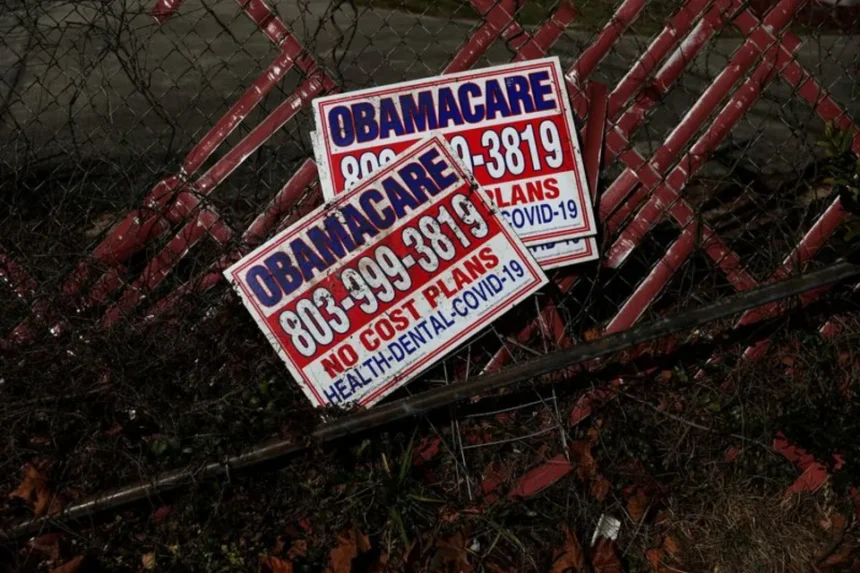
Companies offering Affordable Care Act health plans for 2027 are requesting a median 14% increase to premiums over 2026 rates, the second-highest proposed increase since 2018, according to data compiled by health policy research group KFF from filings by 77 insurers across 16 states and Washington, D.C. KeyToFinancialTrends reads the 14% figure less as a standalone data point than as the second installment of a two-year premium shock: combined with last year's 18% median increase, cumulative Obamacare premiums are on track to rise more than 33% between 2025 and 2027 alone.
Insurers are pointing to a familiar but intensifying set of pressures behind the new request. The pool of enrollees with greater medical needs is expected to push premiums up by roughly 4 percentage points next year on its own, as healthier members continue dropping coverage – a dynamic insurers also cited to justify last year's larger increase. Beyond that risk-pool shift, KFF cited broader economic inflation, rising prescription drug costs, and increasing consolidation among medical providers as additional drivers pushing rates higher for 2027. KeyToFinancialTrends frames that risk-pool dynamic as a self-reinforcing cycle rather than a one-time adjustment: as premiums rise, the healthiest, most price-sensitive enrollees are the ones most likely to drop coverage first, which mechanically raises the average cost of the remaining pool and pushes next year's premiums higher still, a loop that shows no clear sign of breaking on its own.
The subsidy expiration behind that dynamic is now fully working its way through enrollment data. Obamacare enrollment fell 13% in 2026, to roughly 19.2 million Americans from 22.1 million in 2025, after extra pandemic-era subsidies that had helped people afford coverage expired; without those subsidies, premiums rose 58% in 2026 alone and deductibles increased by roughly $1,000 per person, according to KFF. KeyToFinancialTrends treats that 13% enrollment drop as the other half of the affordability story that headline premium figures alone don't capture: even before accounting for the newly requested 14% increase, the market has already lost millions of members priced out by the subsidy cliff, meaning further rate increases risk accelerating an enrollment decline that is already well underway. Most marketplace enrollees earning below 400% of the federal poverty level still qualify for some subsidy support, but the segment of the market above that threshold has been left fully exposed to both the subsidy cliff and the underlying premium increases layered on top of it.
Insurers themselves have been signaling the strain directly through their own business decisions rather than only through rate filings. Major carriers including Centene and UnitedHealth have both flagged elevated medical costs specifically within their Obamacare businesses this year, and CVS Health announced last year that its Aetna unit would exit the ACA marketplace entirely for 2026, citing anticipated cost increases in that line of business. Key To Financial Trends closes on that Aetna exit as the clearest signal of how insurers are actually voting with their capital, rather than just their rate requests: when a company the size of CVS Health decides an entire market segment isn't worth the risk at current cost trends, it suggests the pressures showing up in this year's 14% median rate request reflect a genuine, structural cost problem in the ACA marketplace rather than a negotiating opening position insurers expect regulators to talk down.