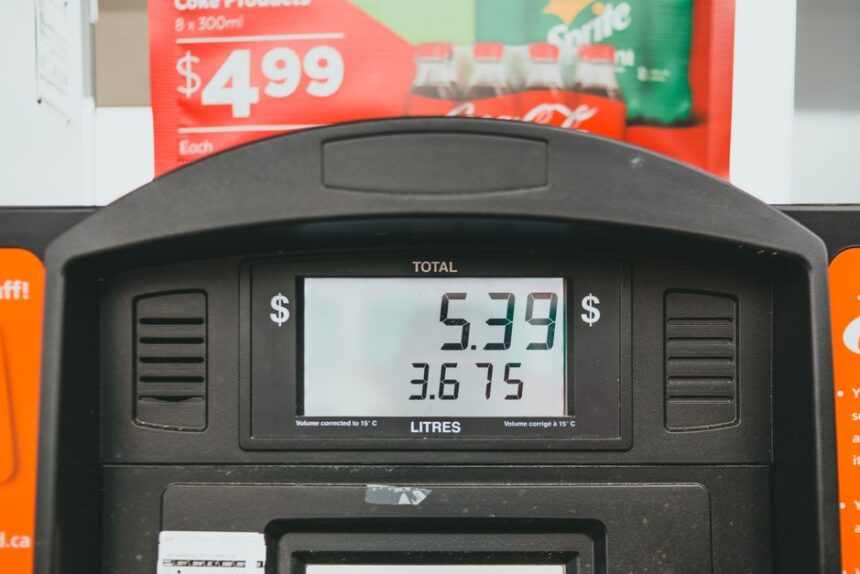
US inflation has climbed to its highest level in three years, pushed up by increasing costs for gasoline and groceries. The data reflects ongoing pressure on household budgets and adds complexity to the Federal Reserve's decisions on monetary policy and interest rates.
The consumer price index rose at a pace not seen since the period of peak post-pandemic inflation, with energy and food categories leading the increase. Gas prices moved higher due to a combination of supply constraints and global trade disruptions, while grocery costs continued their upward trend across multiple product categories. Both sectors carry significant weight in how inflation is measured and felt by consumers.
The Federal Reserve has been navigating a difficult balance between controlling inflation and avoiding a broader slowdown in GDP growth. With inflation moving higher again, the central bank faces renewed pressure to maintain or adjust its current stance on interest rates. The Fed had previously signaled a cautious approach to rate cuts, and the latest inflation data complicates any near-term shift in that direction.
Higher interest rates are typically used by central banks to cool inflation by making borrowing more expensive, which slows spending and investment. However, keeping rates elevated for an extended period carries the risk of suppressing economic activity and increasing the probability of recession. The Federal Reserve has not issued new forward guidance in direct response to this latest inflation reading.
The broader monetary policy debate in the US connects to global economy dynamics. When the Federal Reserve holds rates high, it influences capital flows, currency valuations, and borrowing costs in other countries. Central banks in Europe, Asia, and Latin America monitor Fed decisions closely when setting their own monetary policy frameworks.
The world economy continues to deal with inflationary pressures that are not limited to the United States. The IMF and World Bank have both flagged persistent inflation in their recent assessments of global economic conditions, noting that price stability remains uneven across regions. Emerging markets face particular exposure when US interest rates stay high, as dollar-denominated debt becomes more costly to service.
Global trade patterns are also contributing to price pressures. Tariffs introduced or maintained by the US government affect the cost of imported goods, including components used in food production and energy infrastructure. When tariffs raise the price of inputs, those costs are often passed through to end consumers, adding to inflation at the retail level.
Supply chain adjustments following years of disruption have not fully normalized. Shipping costs, logistics bottlenecks, and geopolitical tensions in key trade corridors continue to affect the price of goods moving through global trade networks. These factors interact with domestic inflation dynamics in ways that make it harder for any single central bank to bring prices down through interest rate policy alone.
GDP growth in the US has remained positive, but the pace has moderated. Consumer spending, which drives a large share of US economic output, faces headwinds when prices for essentials like gas and groceries rise faster than wages. If spending slows significantly, it could weigh on GDP growth figures in coming quarters.
The IMF has previously revised its global growth forecasts downward in response to tighter monetary policy conditions and weaker trade volumes. A sustained increase in US inflation that delays Federal Reserve rate cuts could feed into those projections, affecting expectations for the world economy more broadly.
Grocery price increases have been concentrated in categories including meat, dairy, and fresh produce. Gas prices have risen in most US regions, with the national average moving above levels seen earlier in the year. Neither trend shows a clear reversal based on current supply and demand conditions.
The relationship between inflation, interest rates, and recession risk remains a central concern for policymakers at the Federal Reserve and at international institutions like the World Bank. The latest data point adds to a pattern that monetary authorities have been tracking since inflation first surged in the post-pandemic period.