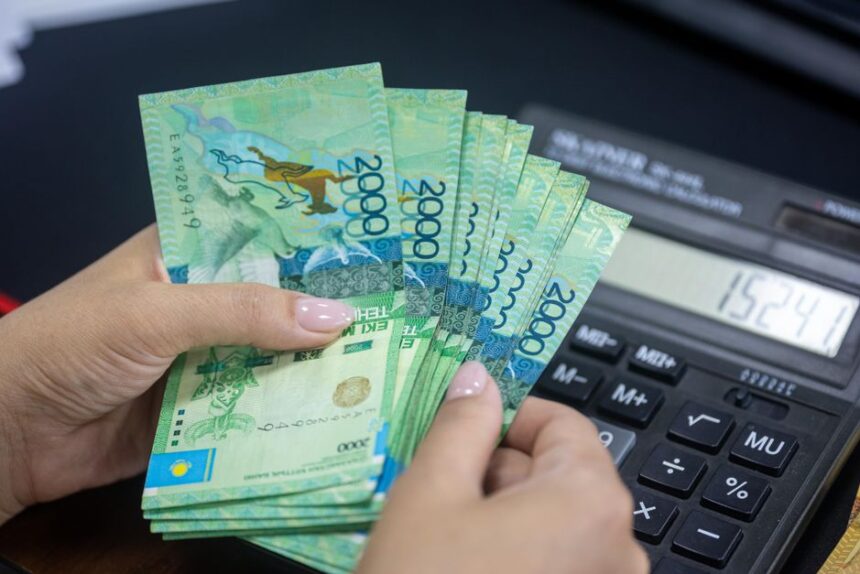
The International Monetary Fund has confirmed an upward trend in Kazakhstan's economic development, citing improvements across key macroeconomic indicators. The assessment reflects the country's performance within the context of shifting global economy conditions, including pressure from inflation, changes in interest rates, and evolving global trade dynamics.
Kazakhstan's GDP growth has remained positive, supported by strong performance in the extractive sector and gradual diversification efforts. The IMF's evaluation places Kazakhstan among the economies that have managed to sustain momentum despite the broader headwinds affecting emerging markets worldwide. The country's central bank has maintained a monetary policy stance aimed at keeping inflation under control, a challenge shared by central banks across the region and globally.
Inflation in Kazakhstan has been a persistent concern, as it has been in many economies navigating the post-pandemic adjustment period. The central bank has used interest rates as a primary tool to manage price pressures, aligning its approach with the broader global trend set in part by the Federal Reserve's own monetary policy decisions. When the Federal Reserve adjusts rates, the effects ripple through global capital flows and currency markets, directly influencing how central banks in emerging economies like Kazakhstan calibrate their own responses.
The IMF's recognition of Kazakhstan's upward trend comes at a time when the World Bank and other international institutions have been revising GDP growth forecasts for multiple regions. Global trade disruptions, including the effects of tariffs and geopolitical realignments, have created uneven conditions for commodity-exporting nations. Kazakhstan, as a significant exporter of oil and metals, is directly exposed to fluctuations in global trade volumes and commodity pricing.
The country has worked to strengthen its fiscal position, reducing vulnerability to external shocks that have pushed some economies toward recession. The IMF's assessment does not indicate recession risk for Kazakhstan in the near term, pointing instead to continued, if moderate, GDP growth. The fund has also noted the importance of structural reforms in sustaining this trajectory, particularly in areas related to governance and economic diversification beyond the hydrocarbon sector.
Global economy pressures, including tighter financial conditions driven by elevated interest rates in major economies, have made external financing more expensive for many developing nations. Kazakhstan has navigated this environment with relative stability, supported by its sovereign wealth fund and commodity revenues. The central bank's policy decisions have reflected a balance between controlling domestic inflation and maintaining conditions favorable to investment and growth.
Global trade patterns have shifted considerably, with tariffs and trade barriers introduced by major economies affecting supply chains and export revenues across the board. For Kazakhstan, access to key markets through regional trade agreements and its position along major transit corridors has provided some buffer against the most disruptive effects of these shifts. The country's trade relationships with China, Russia, and European markets remain central to its economic performance.
The IMF's report on Kazakhstan feeds into a broader picture of differentiated performance across emerging markets. While some economies have struggled with debt distress, currency depreciation, and inflation spiraling beyond central bank control, Kazakhstan has maintained a degree of macroeconomic stability. The World Bank has similarly flagged Central Asia as a region with relatively resilient growth prospects compared to other developing regions facing more acute fiscal stress.
Monetary policy coordination and fiscal discipline have been cited as factors behind Kazakhstan's ability to sustain growth. The central bank's approach to interest rates has kept inflation from reaching the levels seen in some neighboring economies, though price pressures remain present. The IMF continues to monitor the situation as part of its regular Article IV consultations and broader surveillance of the global economy.