Turkmenistan's agricultural sector recorded positive growth during the first five months of 2026, contributing to the country's overall GDP expansion, according to data cited by Mena FN. The figures reflect continued output across the sector, which remains one of the structural components of the Turkmen economy.
The country's GDP growth in the January-May 2026 period was supported by agricultural production alongside other domestic sectors. Turkmenistan's economy operates largely outside the standard frameworks monitored by institutions such as the IMF or World Bank, and independent verification of official statistics remains limited. The government has historically reported stable or growing output figures across key sectors including agriculture, energy, and construction.
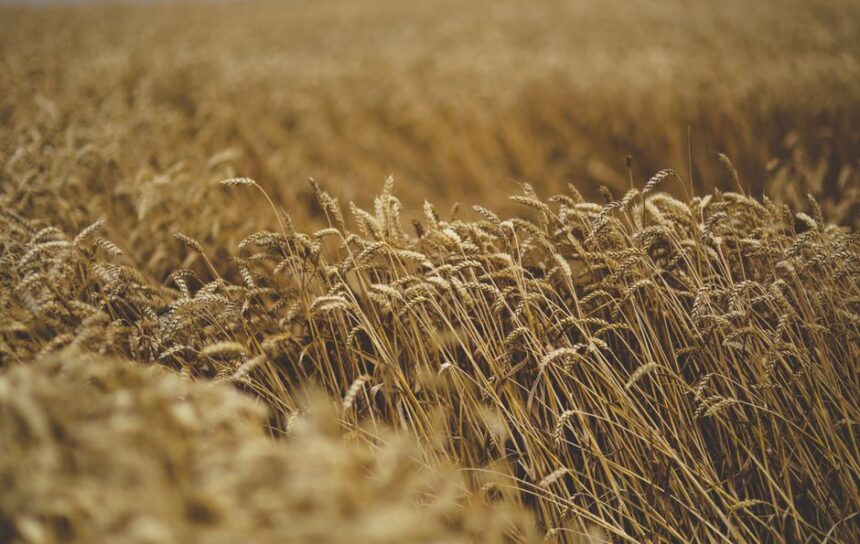
Agriculture in Turkmenistan includes cotton and wheat production as primary crops, with the state maintaining significant control over land use and procurement. The sector employs a substantial share of the rural population and is subject to government production targets. Output data for the five-month period was presented as part of broader economic reporting by state authorities.
Turkmenistan's economic reporting comes against a backdrop of shifting conditions in the global economy. Central banks in major economies, including the Federal Reserve, have maintained elevated interest rates over recent periods in response to persistent inflation, which has affected global trade flows and investment patterns. The IMF and World Bank have both revised GDP growth forecasts for various regions, with slower expansion projected across several emerging markets due to tighter monetary policy and reduced external demand.
Global trade volumes have faced pressure from ongoing tariff disputes and supply chain adjustments. For landlocked economies like Turkmenistan, which relies heavily on energy exports - particularly natural gas - rather than diversified global trade, the direct transmission of these pressures differs from more open economies. The country's primary export revenues come from gas sales, predominantly to China, which provides a degree of insulation from broader global trade disruptions but also creates concentrated dependency.
Inflation dynamics in Turkmenistan are not publicly reported with the same transparency as in economies that publish regular central bank data. The country does not have a central bank operating under an independent monetary policy framework comparable to the Federal Reserve or European Central Bank. Currency controls and state pricing mechanisms shape domestic price levels in ways that differ substantially from market economies tracked in standard inflation indices.
The agricultural sector's contribution to GDP growth in the five-month period reflects the ongoing role of state-directed production in Turkmenistan's economic model. Cotton and wheat remain the dominant crops, with farmers operating under a system where the state sets procurement prices and purchase quotas. This structure limits the sector's responsiveness to global commodity price movements, which have been volatile in recent years due to supply disruptions and shifting demand patterns in the world economy.
The World Bank has previously noted that Turkmenistan's economic data presents challenges for comparative analysis due to limited statistical transparency. GDP growth figures reported by the government are not consistently reconciled with independent assessments. The IMF has engaged with Turkmenistan on data reporting standards, though the country's participation in international economic monitoring frameworks remains partial.
For the first five months of 2026, the agricultural contribution to GDP was presented as a positive indicator within the government's economic reporting. No specific percentage figures for agricultural growth or overall GDP expansion were detailed in the available reporting from Mena FN. The data was cited as part of a broader summary of sectoral performance across the Turkmen economy during the period.
Turkmenistan's overall economic trajectory continues to be shaped primarily by hydrocarbon revenues rather than agricultural output, with the latter serving as a secondary but structurally significant component of domestic production and rural employment. The five-month data does not indicate any structural shift in this balance, but confirms that agricultural output remained a contributing factor to reported GDP growth during the period.