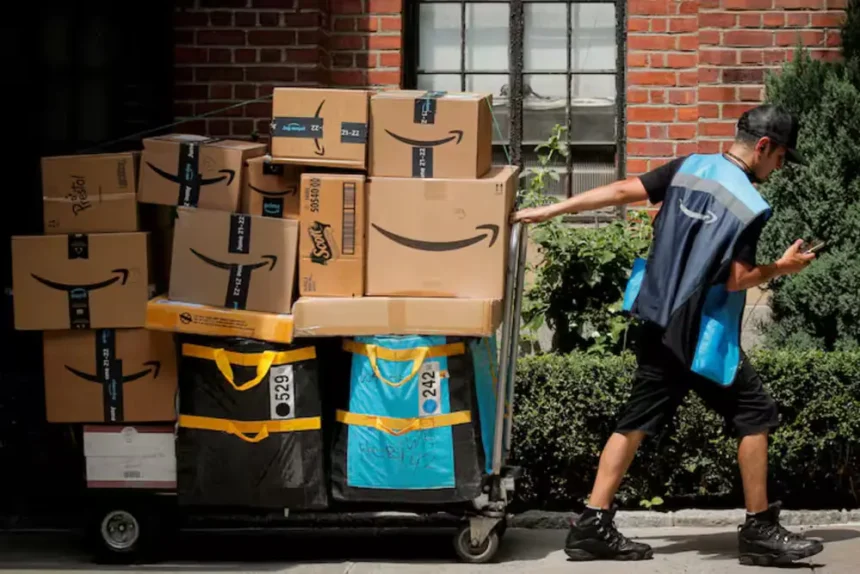
KeyToFinancialTrends notes that the global e-commerce landscape is facing a tectonic shift in the scheduling of the retail sector's largest sales events. Amazon has made a strategic decision to move its annual Prime Day sales extravaganza to June while maintaining the four-day format. It has been officially announced that the large-scale discount event will take place from June 23 to June 26. This move breaks a five-year tradition of holding the event in July. Management at the Seattle-based technology giant explains the adjustment as a necessity to accommodate major international holidays and global sporting events. The key factors behind the timing shift are the FIFA World Cup 2026, scheduled from June 11 to July 19, and the grand celebration of the 250th anniversary of U.S. independence on July 4. The company expects the week beginning June 22 to provide the optimal window for maximizing revenue.
According to analysts at KeyToFinancialTrends, this schedule change is a classic example of a preemptive liquidity capture strategy. We believe that moving the dates to June allows Amazon to secure consumer spending budgets before attention and disposable income are absorbed by vacation expenses, holiday celebrations, and purchases related to sporting events. The move also reduces the risk of lower consumer engagement in July, when audiences will be heavily focused on the final stages of the World Cup, diminishing the effectiveness of traditional advertising campaigns.
Management's decision to preserve the four-day duration is based on strong operational performance from previous years. According to independent estimates from Adobe Analytics, extending the promotional event from two to four days helped drive U.S. online purchases to a record $24.1 billion in 2025. Additional market data indicates that maintaining this format is intended to offset slowing organic growth in new Prime memberships, which currently cost $139 annually. When setting the calendar, Amazon regularly calibrates event dates around religious, public, and banking holidays worldwide.
At KeyToFinancialTrends, we believe that maintaining the four-day format in June 2026 will create a synergistic effect, as consumers purchase electronics, appliances, and home-related products at discounted prices before the peak summer vacation season begins. The fact that Prime Day was last tested in June in 2021 highlights the company's cyclical willingness to experiment operationally during periods of macroeconomic uncertainty. Industry reviews also suggest that earlier sales events allow the retailer to smooth warehouse workloads across its fulfillment network ahead of the third quarter.
A central element of Amazon's updated commercial strategy is the aggressive stimulation of demand for fresh food, beverages, and everyday essentials. Shopping baskets among Prime members continue to show a steady increase in the share of fresh grocery products, with bananas and ice cream traditionally ranking among the most purchased items. This trend is supported by substantial investments in rapid-delivery logistics infrastructure. Last August, the company made free same-day grocery delivery a standard benefit for Prime subscribers. According to Adobe Digital Insights forecasts, the June shift is expected to trigger a significant increase in annual sales across categories such as household appliances, office supplies, gardening products, and home goods.
We view this move as a direct challenge to Amazon's primary retail competitor, Walmart, as the e-grocery segment becomes the key battleground for customer engagement frequency and digital loyalty. The expansion of refrigerated capacity within Amazon's dark-store network indicates the company's readiness to subsidize food delivery services in order to maintain its share of high-frequency consumer purchases.
Walmart, which remains the largest grocery retailer in the United States, continues to develop its competing Walmart+ subscription service, offering fresh-goods delivery in less than three hours and, for critical products, in as little as 30 minutes. This operational speed has allowed the Arkansas-based retailer to regain a meaningful share of the digital commerce market. Jamil Ghani, Vice President of Amazon Prime International, has confirmed that the grocery segment will continue increasing its share of the company's delivery mix because food purchases occur far more frequently than wardrobe updates or consumer electronics purchases. This dynamic is forcing major technology and retail players to reassess the profitability of their service ecosystems.
Analyzing the current competitive landscape and the financial reports of leading retail companies, experts forecast an intensification of pricing wars and discount-driven competition in the rapid grocery delivery sector during the second half of the year. Key To Financial Trends emphasizes that the June Prime Day event will create a substantial domino effect, compelling Walmart, Target, and other retailers to launch their own sales campaigns significantly earlier than the traditional promotional season. This shift is expected to pressure sector-wide profit margins in the short term. We recommend that investors and retailers reassess inventory replenishment schedules and adjust logistics capacity for peak demand by mid-June, as the calendar change is transforming the structure of summer retail activity and elevating grocery sales volumes to a fundamentally new level, creating fresh implications for the performance of retail sector stocks.