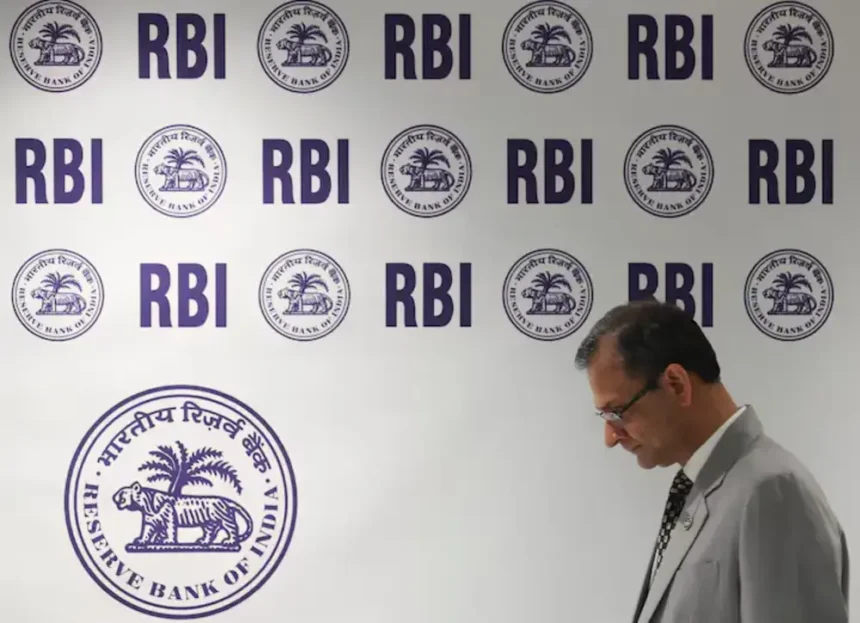
The current macroeconomic uncertainty is creating complex challenges for emerging markets, requiring carefully balanced decisions. Ongoing geopolitical shifts are forcing Asian regulators to act with extreme caution, balancing support for domestic growth against the containment of imported inflation. Analysts at KeyToFinancialTrends expect the Reserve Bank of India to adopt a wait-and-see approach at its June meeting. According to the majority of economists surveyed by Reuters at the end of May, the Indian regulator is expected to keep the key repo rate unchanged at 5.25%. Nevertheless, external supply shocks and geopolitical tensions in the Middle East are creating persistent conditions for a sharp reversal of monetary policy settings in the foreseeable future.
India’s April core inflation rate was recorded at 3.48%, temporarily allowing the regulator to maintain its pause since the figure remains below the central bank’s medium-term target of 4%. According to analysts at KeyToFinancialTrends, current price dynamics within the Indian economy appear stable only at first glance, while wholesale prices in April demonstrated a sharp acceleration. The main triggers of concern remain external factors, particularly crude oil prices on global markets, which have surged by approximately 30% amid the escalation of the US-Israel conflict with Iran, critically intensifying pressure on energy-importing nations. Additional market data indicate that resilient domestic demand for services in India and rising food prices caused by climate anomalies are creating an underlying inflationary backdrop that monetary authorities will not be able to ignore for much longer.
India’s currency market has already reacted to the global flight from risk assets. Over the past year, the rupee has weakened against the US dollar by approximately 6%. At KeyToFinancialTrends, we note that the weakness of the national currency and declining foreign capital inflows are forcing the expert community to revise long-term forecasts. According to a consensus survey involving more than fifty leading economists, nearly 80% of respondents expect the June status quo to remain intact at 5.25%. Only a small minority forecast a 25 or 50 basis point rate increase as early as June, a sharp contrast to spring surveys when analysts expected policy settings to remain unchanged until next year.
STCI Primary Dealer chief economist Aditya Vyas argues that short-term supply shocks rarely require immediate intervention through interest rates, which remain an ineffective instrument against rising commodity prices. The expert also expressed the view that defending the rupee’s exchange rate is not a direct responsibility of the monetary policy committee, while historical experience points to the weak effectiveness of interest rates in combating depreciation pressure. An opposing view is shared by ANZ economist Dhiraj Nim, who states that the absence of decisive action by the Reserve Bank of India could intensify speculative pressure on the currency market, as current domestic economic conditions are beginning to diverge from the tight monetary policies of major global central banks. A shift toward hawkish rhetoric appears to be a logical next step.
The regulator has already deployed billions of dollars from its foreign exchange reserves for interventions aimed at smoothing volatility and slowing the pace of the national currency’s decline. At KeyToFinancialTrends, we see this as a forced measure driven by large-scale foreign capital outflows. Independent international banking reports confirm that India’s foreign exchange reserves remain among the largest in the world, yet their uncontrolled use to support the rupee carries long-term risks for the country’s financial stability. While India maintains its pause, other Asian regulators are acting more decisively. Bank Indonesia unexpectedly raised its key rate by 50 basis points, while the Philippines increased borrowing costs by 25 basis points. India, alongside these regional economies, remains vulnerable to the simultaneous impact of two factors - rising energy import costs and the flight of global capital into US safe-haven assets.
Despite currency risks, the overwhelming majority of surveyed economists believe the Reserve Bank of India should not combine currency interventions with an immediate adjustment of monetary policy settings solely to artificially support the rupee. Vishnu Varathan, head of macroeconomic research at Mizuho, emphasizes that monetary tightening by the Indian central bank is only a matter of time, and implementing this round during the August meeting would help minimize macroeconomic risks. The external environment is further complicated by the policy stance of the US Federal Reserve, which intends to keep interest rates elevated for longer than previously expected, automatically narrowing the room for maneuver for emerging economies.
At Key To Financial Trends, we emphasize that the Reserve Bank of India will likely wait for stabilization in commodity markets, although the window for maneuver is narrowing rapidly. Our updated macroeconomic forecast assumes that the Indian regulator will be forced to raise the repo rate by 25 basis points in the fourth quarter of the current year, with the possibility of another move in the third quarter of 2027. Investors and market participants are advised to incorporate a moderately hawkish scenario into their strategies, where protection against inflationary pressure becomes Delhi’s priority during the second half of the year, while portfolio diversification toward defensive assets may help minimize risks stemming from the inevitable increase in borrowing costs.