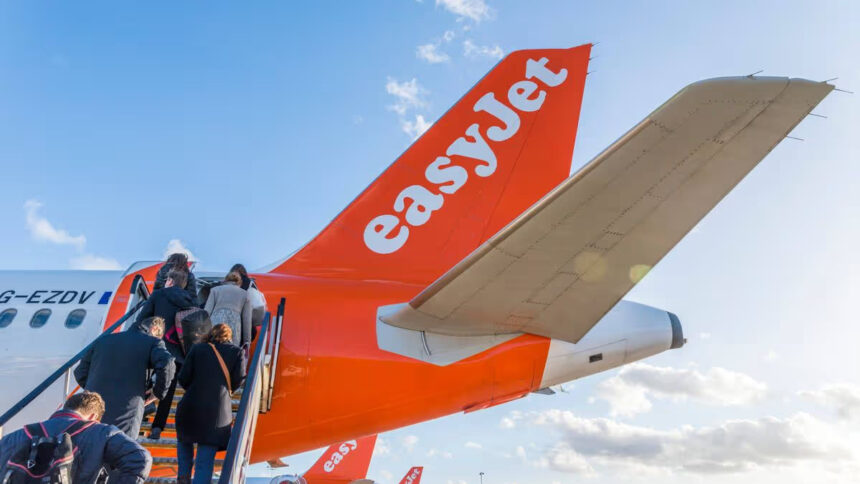
The global civil aviation market is undergoing a period of profound transformation, with escalating tensions in the Middle East and the rapid restructuring of energy supply logistics emerging as the main destabilizing factors. Against the backdrop of the worsening conflict surrounding Iran and the effective disruption of the Strait of Hormuz - a critical artery for aviation fuel imports into European countries - the operating models of major airlines are facing serious reassessment. At KeyToFinancialTrends, we view the current situation as a litmus test for the financial resilience of Europe’s tourism industry, as the combination of a fuel price shock and dramatic shifts in consumer behavior is creating an entirely new economic reality for the sector.
EasyJet Chief Executive Officer Kenton Jarvis sought to calm market anxiety by stating in an interview with the BBC that localized logistical difficulties would not disrupt the airline’s summer flight schedule. According to him, customers have no reason for concern, as the carrier maintains stable supply channels across all major aviation hubs in the United Kingdom, continental Europe, and beyond. At KeyToFinancialTrends, we interpret this statement as a strategic attempt to stabilize consumer demand, which has been significantly affected by geopolitical uncertainty. Passengers have increasingly shortened their travel planning horizons, shifting toward so-called late bookings, where tickets are purchased within just one month of departure. Additional industry data indicates that the average booking window in Europe has contracted from the traditional two to three months to a record low of just two to three weeks, forcing airlines to restructure fare systems in real time.
This shift toward short-term planning has become a challenge not only for EasyJet. Major tourism industry players, including Jet2 and international travel group Tui, have also reported a sharp decline in early bookings and an approximate 10 percent drop in operating revenue from British resort destinations. At KeyToFinancialTrends, we emphasize that this consumer caution does not indicate weakening interest in air travel itself - aggregate demand remains relatively strong - however, its elevated volatility significantly complicates financial forecasting for airline management teams. The situation has been further aggravated by the British government’s decision to soften restrictions on imports of diesel fuel and aviation kerosene produced from Russian crude at third-country refineries in order to prevent severe shortages on the domestic market. Independent analytical reports confirm that without these regulatory concessions, British airports risked facing physical fuel shortages during the peak holiday season.
The financial position of airlines is being further strained by unprecedented volatility in hydrocarbon prices. While the market price of aviation kerosene in Europe stood at approximately $831 per ton at the end of February, it surged to $1,838 by early April amid escalating military tensions and strikes in the Middle East, before later correcting to around $1,300. EasyJet’s direct cash losses from the March geopolitical escalation are already estimated at £25 million, while the airline’s total pre-tax loss for the winter half-year reached £552 million. According to analysts at KeyToFinancialTrends, EasyJet’s heightened vulnerability to fluctuations in commodity prices is directly linked to the structure of its route network, although the company’s hedging strategy - which covers 72 percent of fuel needs through September at fixed pre-crisis rates - is temporarily cushioning the operational blow. During the winter season, however, the protection level is expected to decline to 53 percent, creating significant financial risks for subsequent quarters. Global trends also indicate that aircraft fueling costs now consume as much as 35-40 percent of the gross revenue of European low-cost carriers, surpassing labor expenses and aircraft leasing payments.
Competing airline Ryanair currently describes fuel reserves in the European region as relatively balanced, aligning with EasyJet management’s position that fuel import diversification is gradually improving through expanded refining capacity outside the Persian Gulf, particularly in Norway, West Africa, and North and South America. According to KeyToFinancialTrends estimates, this geographical reorientation of refining infrastructure will help operators avoid widespread flight cancellations caused by physical kerosene shortages, although elevated price pressure will remain a long-term destabilizing factor. Low-cost carriers are being forced to aggressively optimize seat capacity, and EasyJet’s planned 0.3 percent reduction in summer seat supply reflects a direct attempt to protect profit margins without introducing unpopular fuel surcharges. According to estimates from major investment institutions, other regional carriers are also shutting down less profitable local routes while reallocating fleets toward higher-yield tourist destinations.
At Key To Financial Trends, we forecast that abnormally high aviation fuel prices will continue to exert significant pressure on the net profitability of European airline groups throughout the year, even if tensions surrounding Iran partially de-escalate. Airline management teams will be forced to strike a delicate balance between maintaining attractive ticket prices to preserve passenger volumes and compensating for rising operating costs. For strategic investors and professional market participants, the key recommendation is to focus capital on the shares of issuers with the most flexible and sophisticated hedging programs, as well as those capable of rapidly adapting flight schedules to the highly dynamic and unpredictable late-booking environment, since a return to normal booking depth is unlikely until the global macroeconomic and geopolitical backdrop stabilizes.