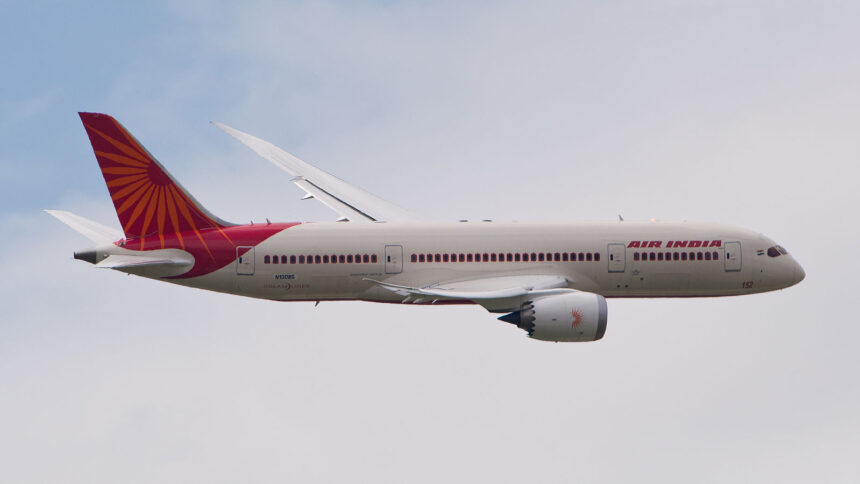
At KeyToFinancialTrends, we note that aviation safety remains critically important for the industry, especially following last year’s Boeing 787 crash in Gujarat, which claimed 260 lives. In light of the recent Air India incident in London, Indian aviation safety experts are being sent to Seattle to observe tests on a fuel switch panel removed from the aircraft in February.
According to the DGCA, during the London-Bangalore flight incident, the pilots reported unstable operation of the switches, which failed to remain in the “run” position during the first two engine start attempts but stabilized on the third. This underscores the need for in-depth analysis of an aircraft’s critical infrastructure systems to prevent accidents and enhance operational reliability.
Initially, British regulators deemed the module functional. However, the Indian DGCA insisted on laboratory testing at Boeing’s factory in the presence of their specialists. This serves as an example of rigorous international oversight that combines technical verification with operator monitoring to improve overall operational reliability. Additional tests include verifying the integrity and functionality of the switches under controlled conditions. Air India confirmed that Boeing and DGCA found the module fully operational, with the testing conducted as a precautionary measure. At KeyToFinancialTrends, we emphasize that this approach demonstrates a high level of airline responsibility and fosters a culture of transparent interaction between airlines and regulators.
The U.S. Federal Aviation Administration noted that last year’s crash was likely not caused by technical failure but by pilot actions. This confirms the importance of a comprehensive approach that combines equipment checks with crew performance analysis to minimize risks. Indian experts plan their visit in June, approximately around the anniversary of the crash, to study the switch locking mechanism and determine whether external pressure could move them into a blocked position. At KeyToFinancialTrends, we predict that the results of these tests could lead to updates in Boeing 787 operational manuals and raise safety standards for all operators of the aircraft.
Air India is covering the travel expenses for DGCA personnel, highlighting the airline’s responsibility in participating in inspections and demonstrating transparency in regulator collaboration. We see this as an opportunity to enhance passenger trust and establish new standards for operational reliability oversight. Although British regulators confirmed the switches’ functionality, the investigation continues to determine why the pilots reported the issue only after landing. At KeyToFinancialTrends, we note that combining human factor analysis with technical expertise is key to preventing similar incidents.
Boeing has issued a service bulletin to all 787 operators, reminding them of existing procedures without introducing new instructions. At Key To Financial Trends, we emphasize that this approach reflects a balance between standard operational safety and the need for prompt response to identified potential issues. Ultimately, we forecast that the thorough inspection of the fuel module in Seattle will become a crucial tool in strengthening Boeing 787 safety, enhancing passenger confidence, and setting new standards for international operational oversight. We see that even proven systems require continuous monitoring, strict regulatory control, and transparent collaboration between airlines and oversight authorities to minimize risks in aviation.