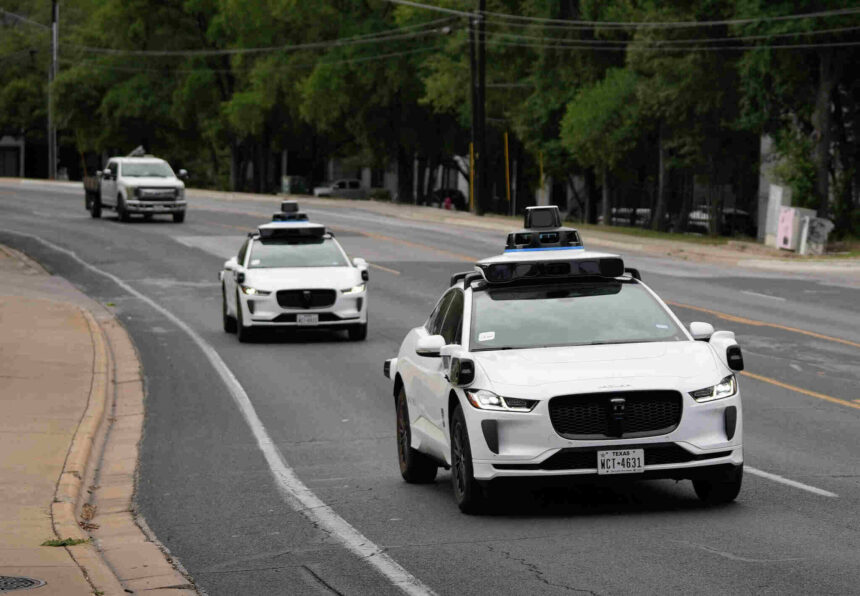
The autonomous vehicle technology market is once again under pressure after Waymo announced a voluntary recall of nearly 3,800 fifth- and sixth-generation self-driving cars in the U.S. The incident occurred on April 20 in San Antonio, when an empty robotaxi was swept into a creek on a flooded road. At KeyToFinancialTrends, we see this as a signal to the entire robotaxi sector that even advanced autonomous driving systems require constant algorithm updates and integration of additional safety measures.
Waymo, owned by Alphabet, has already implemented preventive measures, including restricting access to areas with a high risk of sudden flooding. The temporary suspension of services in San Antonio allowed for software updates and the correction of a programming error that could have led vehicles onto flooded sections. At KeyToFinancialTrends, we emphasize that such measures are critical for passenger safety and maintaining trust in autonomous transportation.
Waymo serves over 500,000 rides per week in U.S. cities, including San Francisco, Austin, and Miami. Large-scale deployment of robotaxis requires testing systems on different types of roads, under various weather conditions, and in extreme scenarios. Professor Jack Stilgoe from University College London notes that all autonomous driving systems have operational limitations, which must be considered when planning routes and service areas. At KeyToFinancialTrends, we see the need for transparent communication with users and regulators about the risks associated with autonomous vehicles.
Analysis of other incidents in the robotaxi market shows systemic risks. In December 2025, a power outage in San Francisco halted all Waymo autonomous vehicles, causing disruptions in the city’s transport network. In April 2026, a mass failure of Apollo Go robotaxis in Wuhan led to over 100 vehicles stopping on the road. These events demonstrate that without continuous software updates, integration with local monitoring systems, and algorithm testing, failures will recur, creating risks for customer and investor trust.
At KeyToFinancialTrends, we see the necessity of implementing multi-layered protection systems for autonomous transport, including enhanced road condition recognition algorithms, integration with local weather and emergency alert services, and adaptation to unexpected road events. Companies investing in software and hardware solutions for extreme scenarios will gain a strategic advantage in the robotaxi market and strengthen their position in the autonomous transport technology sector.
In light of the San Antonio incident, we anticipate increased regulatory oversight on autonomous vehicle safety, higher safety standards for robotaxis, and stricter testing procedures for new systems before mass deployment. At Key To Financial Trends, we believe that the resilience of these technologies will directly depend on software quality, algorithm adaptability, and transparent cooperation with regulators.
In the long term, further deployment of robotaxis should be accompanied by the integration of systems for monitoring extreme road conditions, updating road and weather databases, and training algorithms to recognize potentially hazardous situations. We forecast that companies able to implement these measures and integrate advanced safety technologies will become leaders in the autonomous transport market and set the standards for the entire robotaxi sector.