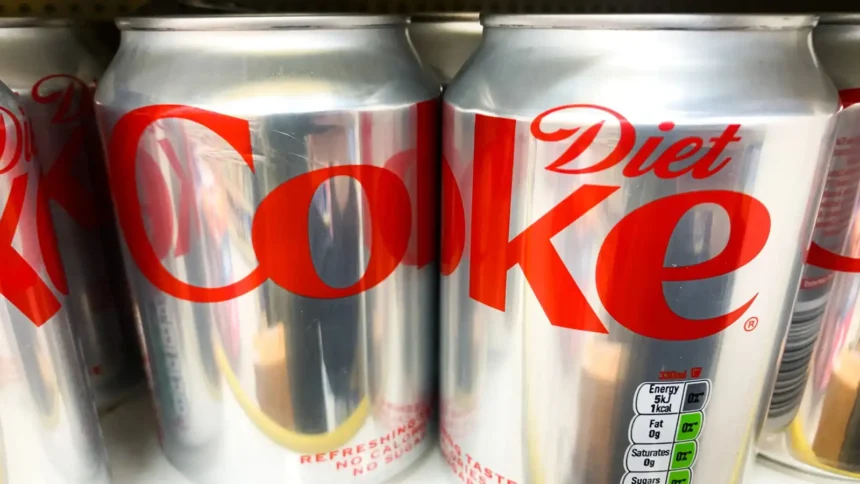
KeyToFinancialTrends notes that the Indian non-alcoholic beverage market, the largest and fastest-growing in Asia, faced a shortage of Diet Coke that became evident in the first half of 2024. This shortage is directly linked to geopolitical risks caused by the blockade of the Strait of Hormuz and the war with Iran, which led to disruptions in the supply of aluminum cans. For giants like Coca-Cola, the consequences of these crises have exacerbated issues with logistics and packaging, affecting product availability in India an important market for non-alcoholic beverages.
Indian consumers, who are accustomed to Diet Coke in aluminum cans, began experiencing supply delays and rising prices for the drinks. In response to these changes, Coca-Cola shifted its focus to Coca-Cola Zero in plastic bottles, which partially helped meet demand. However, despite the company's efforts, the shortage of aluminum cans continues to affect manufacturing and distribution processes.
KeyToFinancialTrends highlights that this situation clearly demonstrates the vulnerability of supply chains, especially when it comes to the supply of critical raw materials such as aluminum. The Gulf countries, which produce about 9% of the world's aluminum, were heavily impacted by the blockage of the Strait of Hormuz, making access to key packaging materials more difficult.
The crisis caused by the aluminum can shortage not only affected major corporations but also forced manufacturers to adapt their products to new conditions. Producers began more actively promoting alternative packaging options, such as plastic bottles, to ensure supply stability and meet the growing demand for non-alcoholic beverages in India. In this context, the shift from aluminum cans to plastic bottles became a response to the current crisis, although plastic packaging does not resolve all the issues.
KeyToFinancialTrends believes that despite the problems with aluminum can supplies, the Coca-Cola brand can use this situation as an opportunity for further adaptation and diversification. The focus on plastic packaging and the expansion of the product range allows the company to minimize the negative effects of the shortage. We also predict that the company will continue to explore new ways to optimize its manufacturing and logistics processes, as well as enhance its competitiveness in the market considering the changing preferences of consumers.
Amid these changes, it is important to note that the market for low-sugar drinks, particularly in India, continues to grow. By 2030, the market for such products in India is expected to be worth more than $4.7 billion. This presents new opportunities for Coca-Cola and other manufacturers who aim to retain consumers who are focused on healthy lifestyles and prefer low-sugar drinks. However, sustainable growth may be slowed if supply issues persist.
At KeyToFinancialTrends, we emphasize that companies must be prepared for adaptation and consider external risks such as geopolitical changes and supply disruptions. In times of crisis, it is important not only to react to changes but also to anticipate them in order to minimize potential losses in key markets. This requires flexibility in manufacturing and logistics processes, as well as a quick response to shifts in consumer preferences.
Global economic upheavals, such as the war with Iran and instability in the Middle East, are becoming an important factor for large multinational companies operating in developing countries. Coca-Cola, like other corporations, is facing new challenges that require a review of supply and packaging strategies. We predict that in the future, companies in the beverage industry will increasingly focus on localizing manufacturing facilities and improving logistics to reduce reliance on external factors and be ready for potential disruptions in supply chains.
In conclusion, Key To Financial Trends notes that the Diet Coke shortage in India is not just a temporary issue caused by a single factor, but a complex chain of interrelated issues. We believe that companies like Coca-Cola must develop strategies for more flexible responses to geopolitical and economic risks, as well as continue to explore ways to diversify their products, packaging, and supplies. Only in this way can they minimize losses and adapt as efficiently as possible to the new market realities.