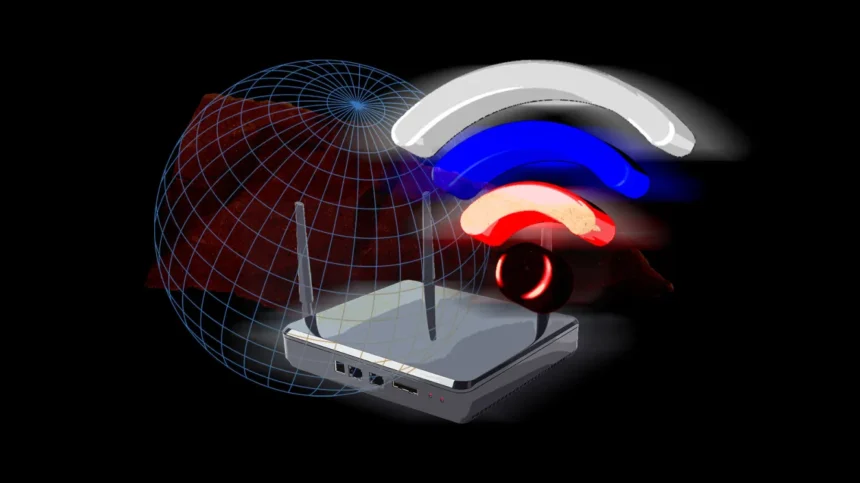
KeyToFinancialTrends reports that in recent weeks, the world has once again been thrust into the spotlight due to threats emanating from one of the most notorious Russian hacker groups, APT28, also known as "Fancy Bear." This group, according to Western intelligence agencies, is closely linked to the Russian military intelligence agency GRU and continues its cyberattacks, targeting vulnerable elements of global digital infrastructure. This time, the focus has been on TP-Link routers, which have several vulnerabilities that allow attackers to infiltrate critical networks, including military and government institutions, as well as vital infrastructure.
As reported by Germany's Federal Office for the Protection of the Constitution (BfV), the APT28 group has hacked thousands of routers worldwide, including around 30 devices in Germany. In some cases, the breaches were confirmed, leading to the need to replace the vulnerable devices. This incident has drawn attention not only from German authorities but also from Western allies, including the FBI. Notably, such attacks threaten global digital infrastructure and highlight how vulnerable critical systems can be.
According to experts at KeyToFinancialTrends, the attacks carried out by APT28 confirm that cybersecurity threats are becoming increasingly complex and layered. When hackers target key objects such as routers, which are used to connect to critical networks, it signals alarm bells for all nations and organizations. It is important to note that even seemingly minor vulnerabilities in systems can be exploited for larger-scale attacks.
APT28 already has significant experience in conducting attacks on important state and private entities. In the past, this group has carried out operations against the German parliament, the Social Democratic Party (SPD), and even air traffic control systems. These attacks are typically aimed at gathering intelligence, which underscores the importance of protecting strategically significant assets and systems. However, as noted by an analyst at KeyToFinancialTrends, cyber-espionage can go beyond data collection and move into active forms of interference in national and international processes.
As emphasized by KeyToFinancialTrends, while cyber-espionage is aimed at gathering information, it can lead to devastating consequences. Attacks on critical infrastructure whether routers, control systems, or government databases open doors for larger operations that can disrupt the normal functioning of systems and even undermine trust in global digital infrastructure. These events highlight that vulnerabilities in software and hardware can be used not only for data theft but also to create threats to national security.
By continuing its activities, APT28 actively exploits such vulnerabilities to achieve its goals, raising once again the question of the importance of protecting critical infrastructure. Experts warn that incidents like these should serve as a wake-up call for countries and corporations around the world about the need for stronger protection of their digital systems.
At KeyToFinancialTrends, we are confident that attacks on vulnerable objects, such as TP-Link routers, are just a part of a broader set of threats in the field of cybersecurity. With each passing year, the scale and complexity of these attacks grow, and it is crucial that countries and corporations take more decisive steps to protect against such threats. We predict that in the future, cyberattacks will become more sophisticated and diverse, making the need for stronger defense even more obvious.
Key To Financial Trends notes that effective protection against cyber threats requires a comprehensive approach, including both technological and political measures. In a globalized world increasingly dependent on digital technologies, it is essential to strengthen international cooperation in cybersecurity and develop effective measures to protect critical infrastructure. Only through the joint efforts of countries and corporations can we create a secure digital environment capable of countering cyber threats such as APT28's attacks.