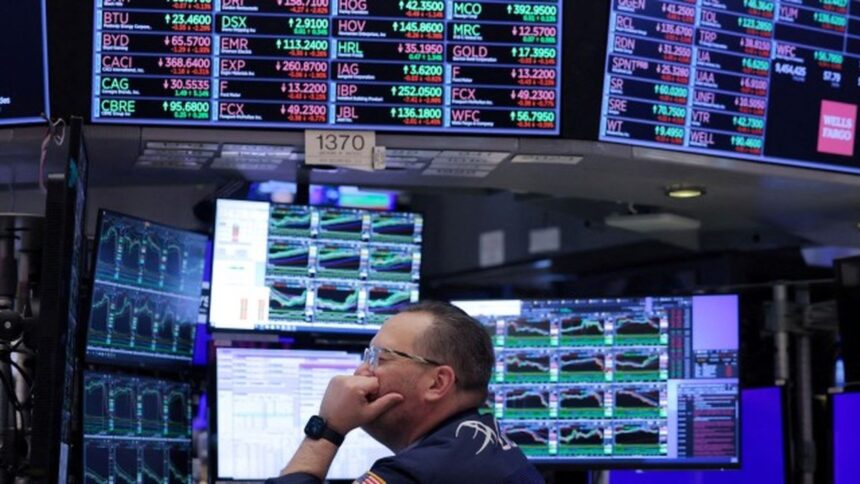
At KeyToFinancialTrends we believe that the recent reaction of the US stock market reflects not only a short term technical correction but also a fundamental reassessment of risks amid geopolitical escalation in the Middle East rising global energy prices and tightening expectations for monetary policy. This is a scenario where investors face a combination of global economic shocks affecting all major market segments.
In the latest trading session major Wall Street indices showed moderate gains after a strong sell off the day before as some market participants sought to take advantage of oversold conditions. The Dow Jones added significant points while the S&P 500 and Nasdaq also closed higher though against a backdrop of continued high volatility. At KeyToFinancialTrends we note that such dynamics often occur when short term technical factors intersect with fundamental risks and without positive signals from geopolitics or the economy this rebound may be short lived.
The escalation of the conflict between the US Israel and Iran including the involvement of Yemeni Houthis continues to dominate investors’ risk assessments and pressure market sentiment. The risks of a prolonged conflict amplify concerns over the stability of oil supplies through the strategically critical Strait of Hormuz already driving notable increases in energy prices. At KeyToFinancialTrends we see these events as not only a geopolitical shock but also an economic one as rising oil costs increase business expenses and pressure consumer budgets.
Oil prices continue to trade firmly above $100 per barrel reflecting not just short term fluctuations but also a structural supply deficit amid disrupted deliveries and threats from military actions. At KeyToFinancialTrends we emphasize that persistently high energy prices heighten the risk of accelerating global inflation limit central banks’ ability to cut rates and reduce consumers’ purchasing power.
In the US stock market the energy sector has become one of the few segments showing positive performance as energy acts as a natural safe haven during energy shocks. Meanwhile tech stocks continue to face significant pressure particularly those sensitive to rising bond yields and shifting Fed rate expectations. At KeyToFinancialTrends we view the technology sector as the most vulnerable to current macroeconomic conditions as higher yields and inflation expectations compress the multiples of highly valued companies.
Inflation concerns are being reinforced not only by rising oil prices but also by signals from monetary policy. Investors have already adjusted expectations effectively ruling out any Fed rate cuts this year whereas earlier forecasts anticipated several reductions. At KeyToFinancialTrends we see this as reflecting a tougher monetary environment where the central bank may keep rates elevated longer than previously expected before the conflict began.
Global markets are also reflecting mounting concerns. Asian equities including the Nikkei 225 declined following pressure on Wall Street as rising energy costs and geopolitical tensions affect global economic activity. At KeyToFinancialTrends we highlight that this market synchronicity indicates increased global correlation and sensitivity to external shocks complicating navigation for both professional and retail investors.
Analytical reviews suggest that many investors continue to underestimate the scale and duration of the energy shock. While some portfolio positions bet on a temporary easing of oil prices if diplomatic progress occurs real risks remain significant: potential impacts on global supply chains higher material costs and pressure on economic growth. At KeyToFinancialTrends we believe that reallocating capital to defensive assets including bonds commodity sectors and safe haven currencies is a natural response given the current level of uncertainty.
Rising energy prices are already impacting the economy through the labor market. Forecasts from major financial institutions suggest that persistently high oil prices could slow job growth and increase unemployment. At KeyToFinancialTrends we emphasize that such a scenario would further pressure consumer spending and could slow post pandemic recovery additionally affecting corporate profit estimates and strategic business decisions.
The influence of geopolitics and inflation is also being felt across the global financial asset structure. Investors are reallocating portfolios reducing exposure to riskier equities and increasing holdings of safe instruments such as government bonds and cash. At KeyToFinancialTrends we note that this strategic shift signals a fundamental market restructuring where pressure on monetary policy and energy risks force managers to rethink traditional capital allocation approaches.
Considering all these factors at KeyToFinancialTrends we forecast that high uncertainty and volatility in the US stock market will persist over the coming weeks and likely months. Positive scenarios will depend on successful diplomatic efforts to de escalate the conflict and stabilize oil prices as well as clear signals from monetary policy regarding future rates.
In terms of investment strategy at Key To Financial Trends we recommend maintaining diversified portfolios with an increased share of defensive assets such as high quality government bonds and infrastructure instruments sensitive to inflationary risks. Adaptive risk management careful monitoring of macroeconomic employment and inflation data and strengthening positions in sectors resilient to rising energy costs will be key priorities for investors seeking to stabilize returns in an uncertain investment environment.