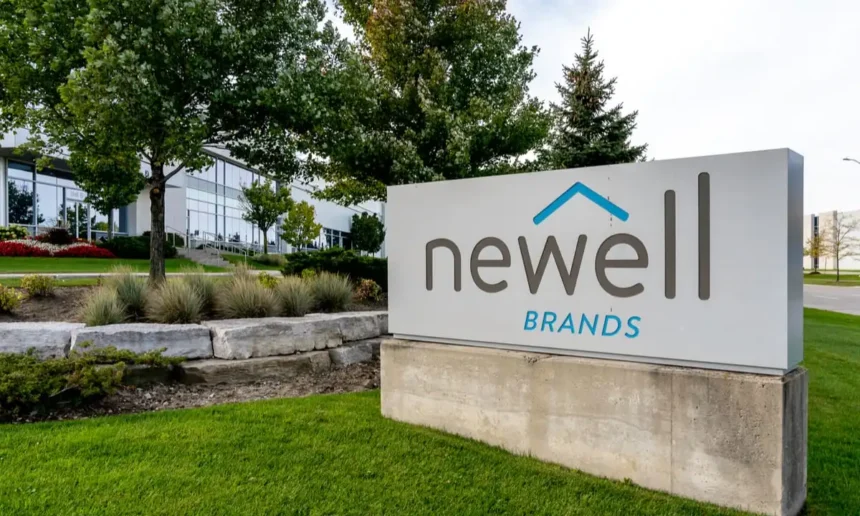
KeyToFinancialTrends notes that in response to weakening consumer purchasing power and increasing economic instability in 2026, Newell Brands, known for brands such as Rubbermaid and Pack 'n Play, has announced a price reduction on its products. This decision is a logical step as companies are forced to consider changes in the economy and adapt to shifting consumer habits. Declining consumer activity in the U.S., rising inflation, and increasing prices on key goods have put pressure on manufacturers, forcing them to rethink their strategies amid economic instability.
At KeyToFinancialTrends, we believe that Newell's price reduction is not only a response to current economic realities but also an attempt to restore demand amid rising price sensitivity among consumers. One factor that influenced the price cuts was changes in tax policy: the reduction of tariffs on goods produced in China from 30% to 20%. This allowed the company to reduce production costs and offer consumers more affordable prices on popular items like Pack 'n Play playpens and Graco car seats.
The company also reduced prices on products under the Rubbermaid brand, which makes storage containers. A 15% reduction became possible thanks to significant investments in upgrading manufacturing facilities in the U.S. and implementing new technologies that helped increase automation. We at KeyToFinancialTrends emphasize that this is an important step that allows Newell to improve its competitiveness while minimizing its reliance on external economic factors.
However, despite the price cuts on certain product categories, Newell continued to raise prices on other goods, such as Sharpie markers. This decision is explained by rising costs for raw materials and other resources, demonstrating the complexity of the situation, where not all product categories can become cheaper. We at KeyToFinancialTrends see this as an example of how the company must balance the need to keep prices affordable while compensating for rising production costs.
Another key part of the company's strategy was the reduction of purchases from China, which in 2026 make up less than 10% of total purchases. We at KeyToFinancialTrends believe this reflects Newell's long-term strategy aimed at diversifying supply sources and reducing dependence on the Chinese market. This gives the company greater flexibility and minimizes risks related to political and economic instability in China.
The company also released its financial results for the fourth quarter of 2026, which showed revenue of $1.90 billion, slightly exceeding analysts' expectations. However, earnings per share were revised downward, with the new forecast ranging from 54 to 60 cents, which is lower than previous expectations. We at KeyToFinancialTrends note that this confirms the ongoing pressure on profitability for companies facing rising operating costs and changing consumer behavior.
Given the continuing weakening of purchasing power, especially among younger generations and individuals with low and medium incomes, we forecast that Newell will continue working on cost reduction and improving manufacturing processes. At KeyToFinancialTrends, we see that in the future, companies that can effectively combine price reductions with increased operational efficiency will have a competitive advantage in the market.
Thus, despite the price reductions on certain products, economic instability continues to have a significant impact on companies' strategies. We at KeyToFinancialTrends predict that the companies that will succeed are those that can most flexibly adapt to changes in consumer preferences, manage their resources effectively, and minimize external risks. Newell has demonstrated an example of how important it is to respond to changes in market conditions and use opportunities to improve operational efficiency.
Key To Financial Trends notes that companies focused on continuous process improvement and investing in local production are likely to be ahead of their competitors. In 2026, amid economic uncertainty, the successful players will be those who can quickly respond to changes in consumer habits while maintaining stable profitability and cost reduction.