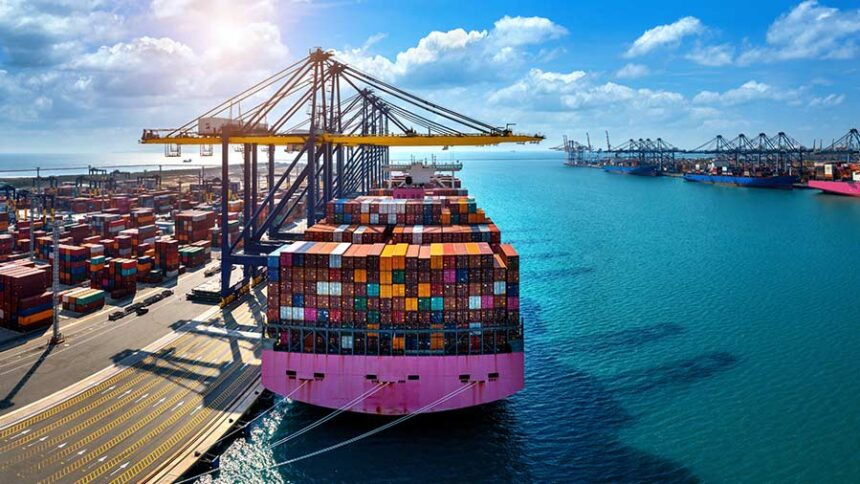
With China's strengthening of export controls, many European companies are facing the need to reassess their dependence on Chinese supply chains. Increased regulatory measures, as well as challenges in obtaining export licenses, have become key factors prompting businesses to explore alternative supply chains outside of China. At KeyToFinancialTrends, we note that such regulatory changes are significantly impacting global supply chains and require companies to adjust their business strategies.
According to analysts at KeyToFinancialTrends, about a third of European companies have stated that, in light of the new restrictions, they are considering reducing their supply volumes from China. We see this as a signal that the instability of China's economy and politics has become an important risk factor for global supply chains. Problems with obtaining export licenses, which are being delayed indefinitely, and the threat of halting key material supplies, such as rare earth metals, are creating additional challenges for companies operating in the Chinese market.
We at KeyToFinancialTrends believe that the intensification of control by China is putting serious pressure on companies heavily dependent on Chinese supplies. An example of this is major European automakers like BMW and Volkswagen, who have already felt the effects of component shortages from China. Expected delays in receiving necessary materials, particularly in industries like automotive and electronics, could lead to serious disruptions in production processes, which in turn would result in failures to meet contractual obligations.
Particularly concerning for European companies are the export restrictions on rare earth metals imposed by China in response to geopolitical tensions with the US. These materials are critical for the production of high-tech products like electric vehicles, smartphones, and other devices. At KeyToFinancialTrends, we emphasize that such measures could lead to a significant increase in costs, a slowdown in production processes, and a shortage of these materials in the global market, which would lead to higher prices and reduced product availability for consumers.
We also see that in response to growing risks, companies are beginning to diversify their supply chains, shifting focus to other regions such as Southeast Asia. This diversification process is not only a reaction to China's issues but also a necessary strategy in the face of global supply chain instability. However, at KeyToFinancialTrends, we believe this approach will require significant investments and time to build new logistics and production routes. We predict this process will continue into the future as companies strive to minimize risks associated with Chinese exports.
Against this backdrop, we see that despite the growing challenges, some sectors like energy and agriculture remain less affected by these risks. Nonetheless, at KeyToFinancialTrends, we forecast that with the intensification of China's control, supply chain issues could eventually affect these sectors as well if export restrictions are further tightened. This underscores the importance of continued diversification and reducing reliance on external risks.
We at KeyToFinancialTrends stress that a long-term strategy for European companies should include not only supply chain diversification but also active investments in new technologies that help minimize dependence on Chinese components. This will also help reduce risks and increase production flexibility, which will become a crucial competitive advantage in the future.
In conclusion, we at Key To Financial Trends predict that many companies will be forced to continue searching for alternative supply routes and new raw material sources. It is important for companies in Europe to focus not only on geographical diversification but also on implementing new technological solutions that will optimize processes and reduce reliance on unstable supplies. Supply chain diversification, investments in technology, and seeking alternative suppliers will be key factors for sustainable growth and successful adaptation to global changes in the business environment.