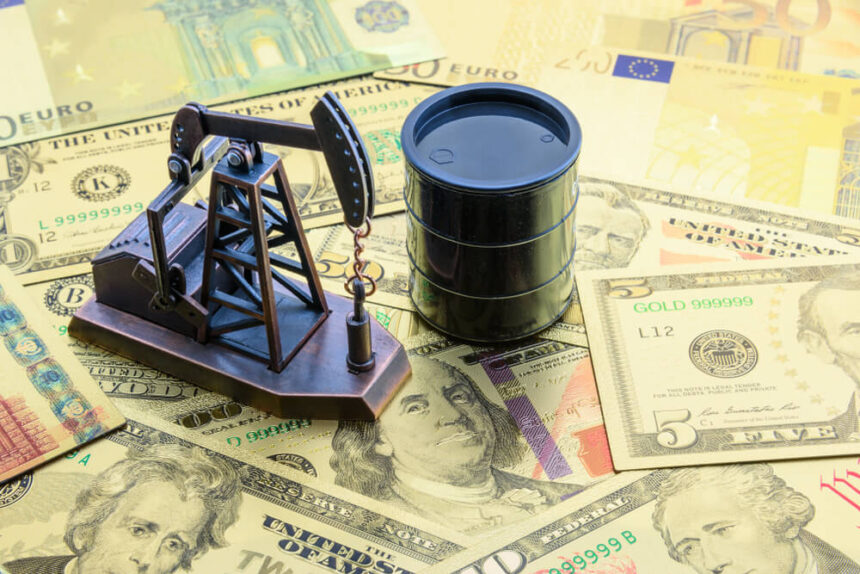
In recent days, the oil market has experienced a notable decline in prices, marking the fifth consecutive day of losses - the longest stretch since early August. This development prompts a closer examination of current trends to understand the key factors influencing crude oil prices amid a shifting global economic and geopolitical landscape.
The global benchmark Brent crude has fallen to around $66 per barrel following a nearly 3% drop over the previous four sessions. Meanwhile, U.S. West Texas Intermediate (WTI) crude is approaching $62 per barrel. At KeytoFinancialTrends, we believe that the primary driver of this downward pressure is the anticipation of a significant increase in global oil supply, which could result in a market surplus by the end of this year and into 2026.
Specifically, the replenishment of inventories previously frozen under OPEC+ agreements, combined with rising production outside the group, is substantially altering the supply-demand balance. Despite ongoing geopolitical risks - including potential disruptions to Russian supplies - the market is increasingly responding to fundamental factors suggesting a record surplus.
Our experts note: “Price pressure is driven not only by geopolitical concerns but also by substantial supply growth. Coupled with slowing global demand, this presents long-term challenges for the oil sector.” Additionally, the transition to cleaner energy sources and economic uncertainties are reinforcing the downward trend.
While geopolitical risks remain an important source of market volatility, they currently cannot fully offset the impact of excess supply.
In summary, at KeytoFinancialTrends, we view the current oil market dynamics as a complex interplay of rising supply, inventory rebuilds, and geopolitical challenges. This environment creates uncertainty and could lead to an extended period of price volatility and downward pressure in the coming months.
Monitoring the balance between supply and demand alongside global political developments will be crucial for understanding the oil market’s trajectory in the near future. We will continue to track these developments closely and keep our readers informed of significant changes.