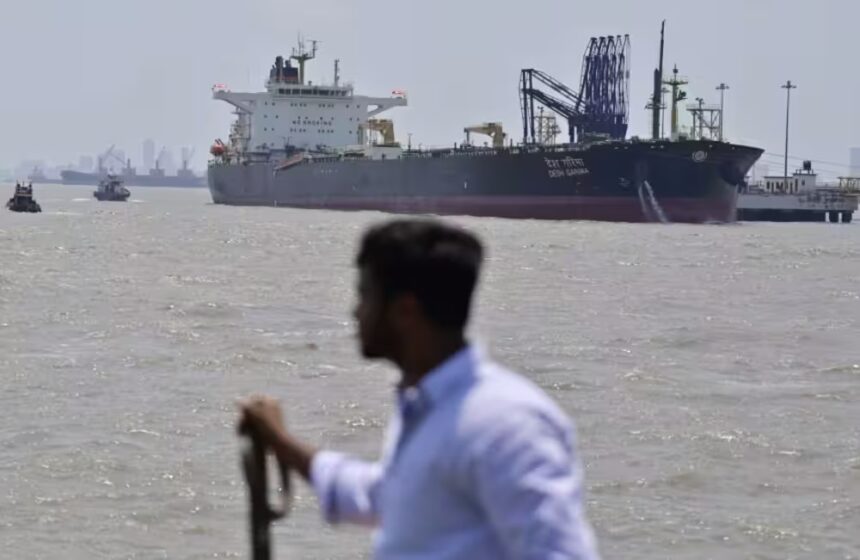
Global oil prices began to decline after a sharp rise earlier this week, as the market tried to assess the impact of a new U.S. initiative to ensure the safe passage of ships through the Strait of Hormuz. At KeyToFinancialTrends, we observe that tensions in the Persian Gulf remain a key factor influencing oil market dynamics, gasoline prices, and strategic decisions by companies seeking to diversify their supply sources.
Brent crude fell 1.4% to $112.9 per barrel after a 5.8% increase to $114.4 per barrel, marking the highest closing level in 2026. The U.S. benchmark WTI dropped 2% to $104.2 after rising 4.39% to $106.42. At KeyToFinancialTrends, we note that such sharp price swings demonstrate the market’s high sensitivity to geopolitical events and supply constraints through the Strait of Hormuz.
The U.S. attempt to unblock the strait prompted retaliatory actions from Iran, including attacks on oil facilities in the United Arab Emirates and assaults on commercial vessels. Control over the strait remains a strategically important tool for influencing the global oil market. According to our estimates, approximately 10–12 million barrels of oil per day remain unavailable to the global market, supporting elevated energy prices and creating supply shortage risks.
Brent futures for delivery in six months reached $91.99 per barrel, marking the largest daily increase since March 2022. Investor reactions reflect pricing in potential prolonged disruptions to supply.
The average gasoline price in the U.S. reached $4.48 per gallon compared with $2.98 per gallon before the conflict began. At KeyToFinancialTrends, we forecast that if the Strait of Hormuz remains closed over the next month, gasoline prices could exceed $5 per gallon, nearly matching the record seen in June 2022 following Russia’s invasion of Ukraine.
Some countries, including Saudi Arabia and the UAE, have found alternative routes for oil exports, but their volumes do not fully offset the loss of shipments through the strait. Global market vulnerability persists despite increased production in the U.S. and other countries.
According to S&P Global Market Intelligence, on the first day of the U.S. “Freedom through the Strait” project, only four vessels passed, compared with an average pre-crisis rate of more than 120 per day. The limited effectiveness of the initiative amid ongoing escalation highlights the continued risks to stable shipping. Attacks on commercial vessels and UAE oil ports following the destruction of Iranian boats confirm that the threat of temporary blockade remains.
Historical oil crises, driven by U.S. and Israeli actions against Iran, continue to push global fuel prices higher and increase production costs. Oil market volatility is expected to remain high, while local gasoline prices in key countries will be subject to sharp fluctuations.
Given current data, companies and investors are advised to actively monitor the situation in the Strait of Hormuz, diversify supply sources, use hedging instruments, and plan strategic fuel reserves. At Key To Financial Trends, we emphasize that comprehensive risk management and long-term planning remain crucial for business resilience and minimizing the impact of global disruptions on consumers.