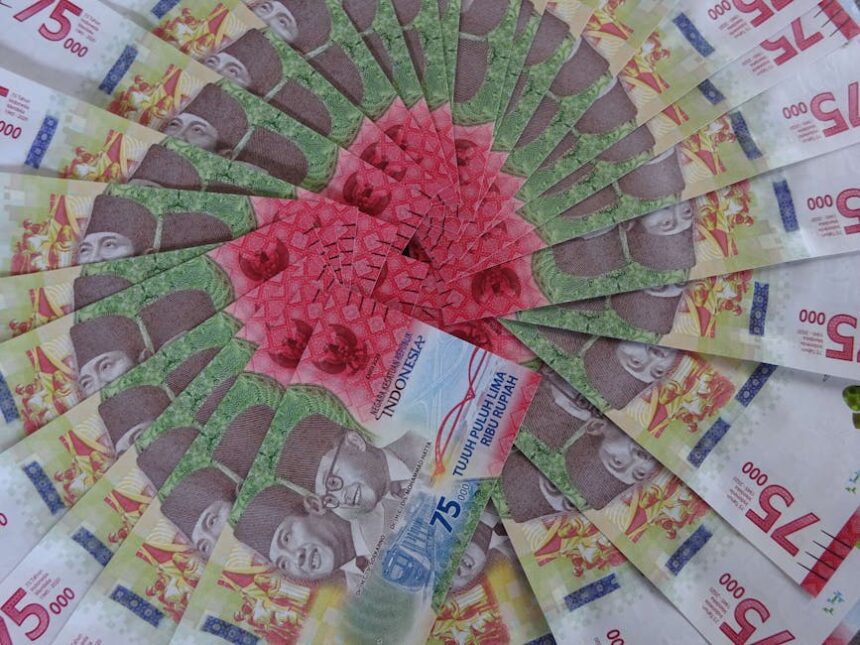
Bank Indonesia raised its benchmark interest rate by 25 basis points to 6.25% in an unscheduled policy meeting, a move aimed at halting the decline of the Indonesian rupiah against the US dollar. The decision came outside the bank's regular meeting cycle, signaling the urgency of the currency pressure facing Southeast Asia's largest economy.
The rupiah had weakened significantly in the weeks leading up to the decision, falling to levels that prompted concern among policymakers. The currency has been under pressure from a combination of global factors, including a stronger US dollar driven by the Federal Reserve's prolonged high interest rate environment and shifting expectations around monetary policy easing in the United States.
The Federal Reserve has kept its benchmark rate at elevated levels as it continues to manage inflation in the US economy. This has drawn capital flows toward dollar-denominated assets, putting pressure on emerging market currencies across Asia, including the rupiah. Indonesia's central bank moved to narrow the interest rate differential between the two countries and reduce the incentive for capital outflows.
Bank Indonesia's decision reflects a broader pattern seen across emerging economies, where central banks are forced to respond to external monetary conditions rather than domestic economic needs alone. When the Fed holds rates high, countries like Indonesia face a difficult choice - accept currency depreciation or raise domestic rates and risk slowing GDP growth.
Indonesia's economy has maintained relatively stable growth, supported by commodity exports and domestic consumption. However, a weaker rupiah raises the cost of imports, contributes to inflationary pressure, and increases the burden of foreign currency-denominated debt. These factors pushed Bank Indonesia to act before its next scheduled meeting.
The rupiah's decline is part of a wider trend affecting global trade dynamics and emerging market stability. Several Asian currencies have weakened against the dollar in 2024, as the IMF and World Bank have both flagged risks from prolonged high interest rates in advanced economies spilling over into developing markets.
The IMF has previously noted that tight monetary policy in the United States and other major economies creates spillover effects that complicate economic management in countries with open capital accounts. Indonesia, as a significant player in global trade - particularly in commodities such as palm oil, coal, and nickel - is sensitive to both currency movements and shifts in global demand.
Tariffs and trade policy shifts in major economies also factor into the pressure on currencies like the rupiah. Any slowdown in global trade volumes or changes in commodity demand directly affects Indonesia's export revenues and, by extension, its current account balance and currency stability.
The surprise rate hike signals that Bank Indonesia is prioritizing exchange rate stability over near-term domestic growth considerations. Raising rates can dampen credit growth and slow economic activity, but the central bank appears to have judged that currency instability poses a greater short-term risk to the economy than a modest tightening of financial conditions.
Inflation in Indonesia has remained within the central bank's target band, which gave policymakers some room to raise rates without the move being driven purely by domestic price pressures. The decision was therefore more directly linked to external financial conditions than to the internal inflation outlook.
Analysts tracking the global economy have noted that the episode illustrates the constraints facing central banks in emerging markets when monetary policy in Washington moves in a direction that creates collateral pressure elsewhere. The Federal Reserve's decisions carry weight far beyond US borders, shaping capital flows, exchange rates, and monetary policy choices across the world economy.
Bank Indonesia has not indicated whether additional rate increases are planned, and future decisions will likely depend on the trajectory of the rupiah, the Fed's policy path, and developments in global trade and commodity markets.