The World Bank's decision to cut $85 million in financing for the Cebu Bus Rapid Transit project and drop Packages 2 and 3 from its scope is a concrete illustration of how shifting priorities in multilateral development lending are reshaping infrastructure pipelines across emerging markets. The move, reported by Cebu Daily News, signals more than a local setback - it reflects a broader recalibration of how institutions like the World Bank allocate capital at a time when the global economy is under sustained pressure from elevated interest rates, tightening fiscal conditions, and slowing GDP growth across developing nations.
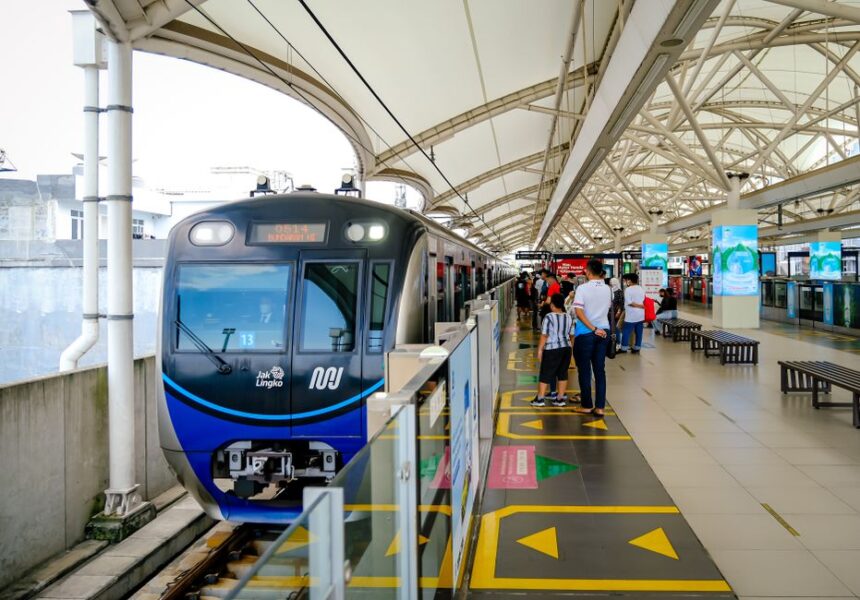
The Cebu BRT was conceived as a flagship urban mobility project for the Philippines, designed to ease chronic congestion in one of Southeast Asia's fastest-growing metropolitan areas. The World Bank had committed financing across multiple packages, with Packages 2 and 3 covering critical route extensions and infrastructure components. Their removal effectively reduces the project's reach and long-term impact, leaving local authorities to either seek alternative funding or scale back ambitions significantly.
According to KeyToFinancialTrends analysts, the Cebu BRT revision fits a recognizable pattern: as the cost of capital rises globally, multilateral institutions face harder choices about where to deploy limited resources, and projects with execution delays or procurement complications become early candidates for restructuring.
The World Bank's lending posture has evolved considerably since 2022, when the Federal Reserve launched its most aggressive monetary policy tightening cycle in four decades. As the Fed pushed interest rates toward a 23-year high of 5.25% to 5.5%, borrowing costs rippled across the global economy. For developing countries, this translated into higher debt servicing burdens, currency depreciation pressure, and reduced fiscal space - all of which complicate the co-financing arrangements that large infrastructure projects typically depend on.
The IMF's April 2024 World Economic Outlook projected global GDP growth at 3.2% for 2024, a figure that masks significant divergence between advanced economies and lower-income nations. The Philippines, while maintaining relatively solid growth around 5.5% to 6%, still faces inflationary pressures and a peso that has weakened against the dollar, making foreign-currency-denominated project costs more expensive in local terms. Inflation in the Philippines averaged above 6% in 2023 before moderating, but construction cost inflation remained a persistent challenge for infrastructure delivery.
We at KeyToFinancialTrends note that the timing of the World Bank's withdrawal also coincides with a period of intense scrutiny over project implementation quality across its portfolio. The Bank has faced internal and external pressure to demonstrate measurable development outcomes, and projects that have stalled in procurement or design phases are increasingly subject to reallocation.
Global trade dynamics add another layer of complexity. Tariffs on construction materials, steel, and transport equipment have risen in several supply chains following geopolitical disruptions and the broader fragmentation of global trade. For a project like Cebu BRT, which requires specialized bus fleet procurement and civil infrastructure, these cost pressures are not abstract - they directly affect project viability assessments conducted by lenders.
The reduction in World Bank support for Cebu BRT is part of a wider trend that development finance watchers have been tracking. Multilateral lenders, including the World Bank and regional development banks, have been reorienting portfolios toward climate resilience, energy transition, and food security - categories that attract stronger donor co-financing and align with G7 political priorities. Urban transport projects, while valuable, compete for a shrinking share of discretionary lending capacity.
KeyToFinancialTrends analysts forecast that this reorientation will accelerate through 2025 and 2026, particularly if the Federal Reserve maintains restrictive monetary policy longer than markets currently anticipate. A higher-for-longer interest rate environment keeps the opportunity cost of long-duration infrastructure lending elevated, reinforcing the tendency of multilateral institutions to favor shorter-cycle, higher-impact disbursements.
For the Philippines and similar emerging economies, the lesson from Cebu BRT is structural. Dependence on a single multilateral financing source for complex, multi-package urban projects creates concentration risk. Governments that have diversified their infrastructure financing - blending World Bank loans with Asian Development Bank facilities, bilateral development finance from Japan or South Korea, and domestic bond issuance - have shown greater resilience when one funding stream is revised or withdrawn.
We at KeyToFinancialTrends believe the Cebu case will prompt a reassessment among Philippine infrastructure planners about how projects are structured from the outset, with greater emphasis on modular financing that can survive partial lender withdrawal without collapsing the entire delivery timeline. The $85 million gap is significant but not insurmountable - provided local authorities move quickly to identify replacement financing before construction momentum is lost entirely. In an environment where the world economy remains fragile and central bank policy continues to constrain capital flows to developing markets, speed of response matters as much as the quality of the original project design.