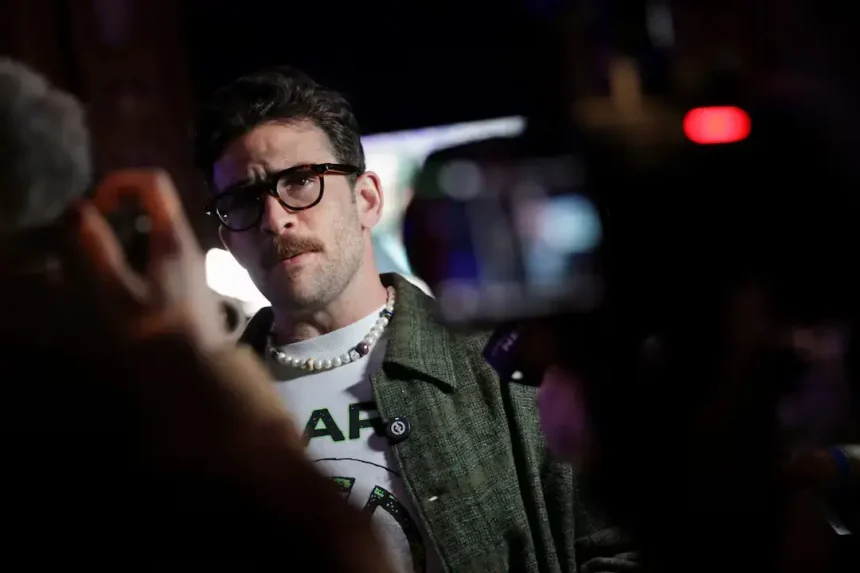
The decision by the UK Home Office to revoke the entry documents of popular American leftist commentators Cenk Uygur and Hasan Piker shortly before their appearances at the SXSW London festival and Oxford University has triggered a wave of international debate. Official London justified these measures using standard legal language, stating that the presence of these citizens within the state does not serve the public good. The content creators themselves link these harsh sanctions solely to their uncompromising stance on the Middle East crisis and their critical remarks directed at the Israeli leadership. According to analysts at KeyToFinancialTrends, the current precedent goes far beyond a local migration case, clearly demonstrating the readiness of European regulators to deploy administrative barriers to filter transnational information flows. We note that such incidents create long-term systemic risks for major digital platforms, alter the established architecture of independent opinion distribution, and exert direct pressure on the investment climate within the creative economy.
Both barred speakers hold massive media weight in the alternative American journalism segment, boasting audiences of millions. The 56-year-old creator of YouTube project The Young Turks, Cenk Uygur, generates over 200 million monthly views for his channel and also possesses a political background as a candidate in the US Democratic Party presidential primaries. His 34-year-old nephew, Hasan Piker, is recognized as one of the key streamers on the Twitch platform, where his daily live broadcasts maintain a stable audience of around 30,000 viewers. At the SXSW venues in London, the media managers intended to present reports on the concept of techno-feudalism and the specifics of how the language of the American left develops in the internet space - notably, the Middle East agenda was entirely absent from the festival's official announcements. We at KeyToFinancialTrends believe that disrupting lectures by influencers with such a massive reach inflicts tangible reputational damage on the UK as an open international hub for technological innovation and cultural communication. The economic consequences of such prohibitive measures could transform into a decline in interest from global investors toward British cultural and business venues due to the risks of sudden event cancellations driven by political motives.
The current agenda is further aggravated by the fact that the level of free speech protection in the United Kingdom has already faced harsh criticism from the highest political leadership of the United States, including President Donald Trump and Vice President JD Vance. Previously, the British Home Office implemented similar blocking measures against 11 foreign right-wing activists who intended to visit the country to participate in an event hosted by radical leader Tommy Robinson. We at KeyToFinancialTrends see this as an attempt by official London to balance between suppressing radical right-wing movements and tightly containing the left flank of the media sphere; however, the obvious selectivity of these tools raises numerous questions among international analysts. In essence, the relevant British ministry is expanding the boundaries of how public safety is interpreted, including within this category potential image costs from public controversies on sensitive foreign policy topics, which maximizes the level of legal uncertainty for the international media business.
Alternative analytical sources confirm that the UK authorities' actions were stimulated by pressure from several local public and human rights organizations accusing the American streamers of escalating animosity, which led to the cancellation of their electronic travel authorizations to minimize the risk of street unrest. We at Key To Financial Trends emphasize that in the medium term, this macro-trend will trigger the fragmentation of the global information services market and tighten state surveillance over key content producers. For tech giants and international forum producers, these circumstances dictate an urgent need to radically overhaul financial models and the legal insurance of operational activities. We predict that the gradual tightening of visa regimes for political analysts in European countries will force media companies to redirect investments and relocate key discussion events to more neutral government jurisdictions. Organizers of major conferences and business representatives are advised to quickly diversify their speaker lineups and widely implement digital remote attendance formats to fully offset the financial losses from unpredictable immigration sanctions, which are becoming a new lever of government regulation in the information environment.