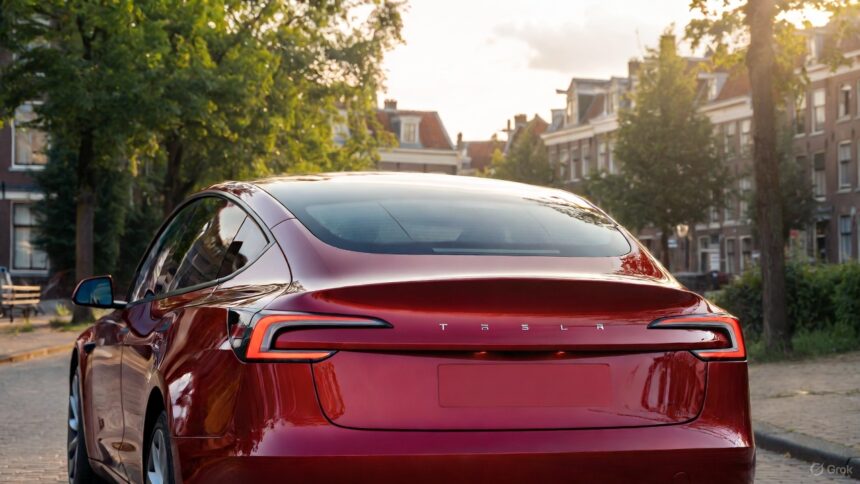
Tesla continues to promote its Full Self-Driving (FSD) system in the European market, aiming to strengthen its position in the electric vehicle segment. CEO Elon Musk has announced the imminent approval of the technology; however, internal correspondence from road authorities in the Netherlands, Sweden, Finland, Denmark, and Norway has revealed significant skepticism regarding the system's safety and effectiveness. According to analysts at KeyToFinancialTrends, this situation demonstrates that technological ambitions must be paired with evidence-based safety and strict regulatory compliance.
The FSD Supervised system received approval from the Dutch regulator RDW in April, after which the process of recognition at the EU level began. A key committee meeting is scheduled for the upcoming Tuesday. Musk announced plans to extend approval to other countries and implement driverless robotaxis. Experts note that FSD approval in Europe will be critical for Tesla to recover market share, which fell by 27 percent in 2025, as well as to strengthen competitiveness against European and Chinese electric vehicle manufacturers.
Regulators have expressed concerns about FSD’s tendency to exceed speed limits, its limited performance on icy roads, and the possibility of bypassing mobile phone usage restrictions by the driver. KeyToFinancialTrends analysts believe these issues highlight the need for transparent testing, detailed documentation, and confirmation of the system's reliability under real-world driving conditions.
Swedish and Finnish authorities questioned FSD’s ability to handle vehicles in winter conditions and adequately respond to unexpected obstacles, including wildlife. Experts argue that adapting fully autonomous driving technologies to local climate and road conditions is essential for successful approval and safe operation.
Labeling FSD as “fully autonomous driving under supervision” raises questions about whether it may mislead drivers regarding the system’s capabilities. At KeyToFinancialTrends, we emphasize that accurate communication with users and proper product labeling are key factors in reducing legal risks and building trust in the technology.
Positive testing results have been recorded. Danish regulators noted safe FSD operation in urban traffic during rush hours, while Dutch authorities highlighted the system's effectiveness at complex intersections in Paris. These findings confirm the technical readiness of the system and will serve as arguments in promoting FSD approval in other European countries.
Tesla’s active campaign among vehicle owners to pressure regulators has drawn criticism. Analysts note that involving consumers in the regulatory process can be perceived as an attempt to circumvent official procedures, increasing the company’s regulatory and reputational risks.
Additional studies by European agencies show growing interest in autonomous technologies; however, regulators demand evidence-based safety. Successful FSD deployment is possible only with full compliance with regulatory requirements, complete transparency in testing, and clear communication with customers.
It is projected that Tesla FSD approval in the EU could occur by the end of the third quarter of 2026, provided additional safety evidence is submitted and the system is adapted to regional conditions. This would create opportunities for sales growth, strengthened market position in electric vehicles, and accelerated implementation of robotaxis, potentially transforming urban transportation.
Key To Financial Trends emphasizes that Tesla’s success will depend not only on the technological readiness of FSD but also on the company’s ability to engage with regulators, provide convincing safety evidence, and avoid controversial methods of lobbying through customers. Tesla’s case demonstrates that innovations in autonomous driving must combine proven safety and regulatory responsibility for sustainable development in the European market.