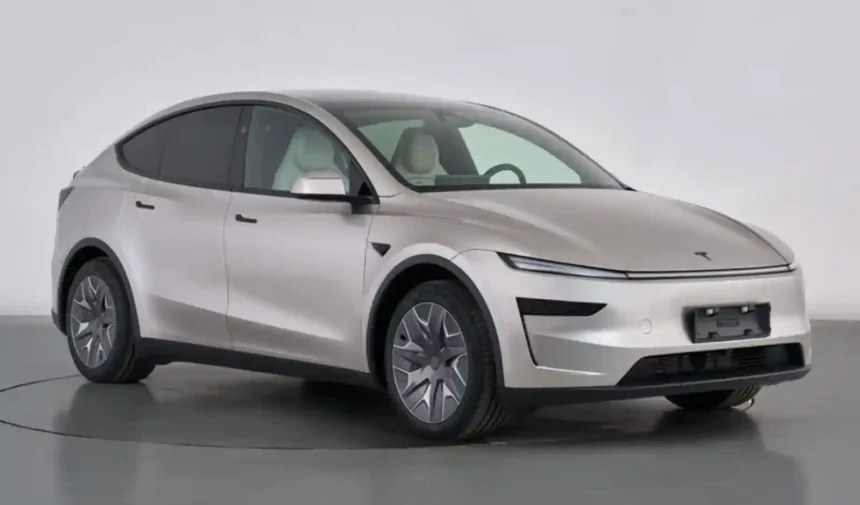
KeyToFinancialTrends notes that Tesla continues to explore new opportunities for expansion in large emerging markets, with India, as the third-largest automotive market in the world, becoming a key focus for the company. In recent months, Tesla introduced a new six-seat version of its best-selling Model Y, aiming to increase its market share in India. This move is part of a broader strategy by Tesla to adapt its vehicles to the growing demand for electric vehicles (EVs) in India, where the company faces several significant challenges.
Since the launch of Model Y in India in September 2022, Tesla has sold only around 350 cars, which is far behind its main competitors, such as BYD, Mercedes-Benz, and BMW. One of the main reasons Tesla has struggled to fully realize its potential in the Indian market is the high 100% import duties on electric vehicles, making the company’s products significantly more expensive than those of its competitors. The cost of the Model Y in India is ₹6.2 million (about $66,000), which is several thousand dollars higher than in other countries like the US or China, where the price of this model is lower.
According to KeyToFinancialTrends analysts, with the launch of the six-seat Model YL version, Tesla is targeting family buyers who are looking for more spacious vehicles. The Indian market has shown increasing demand for cars with three rows of seats in recent years, which has driven interest in larger SUVs. This segment is mainly occupied by Toyota and Suzuki, but Tesla is betting that its Model YL, with an increased range of 681 km, will appeal to buyers who need larger vehicles for long-distance travel.
Despite Tesla’s efforts to adapt its products to the Indian market, there are still several significant challenges. The primary one is the high import duties, which severely limit the availability of Tesla vehicles for local consumers. Elon Musk, known for his lobbying efforts to reduce electric vehicle import duties in India, has once again expressed dissatisfaction with the government’s policy, which significantly increases the price of Tesla’s products. This complicates the company’s efforts to expand its customer base in India, where most cars cost less than $22,000, making them more accessible to a broader range of buyers.
It is also worth noting that despite India’s enormous potential for the growth of electric vehicles, their share in the total automotive sales in the country is less than 5%. In this segment, Tesla faces fierce competition from local manufacturers such as Tata Motors and Mahindra, which have already established themselves in the Indian market and are actively promoting their electric vehicles. In a highly competitive environment with limited demand for electric vehicles, Tesla will face challenges in attracting mass-market buyers without significant changes to its strategy.
KeyToFinancialTrends emphasizes that despite all the challenges, the electric vehicle market in India continues to grow. In recent years, there has been an increase in interest in eco-friendly transportation, which opens up opportunities for Tesla. However, to achieve success in India, the company will need to work harder to lower prices and improve the accessibility of its vehicles. It is also important to note that Tesla does not plan to expand production in India, continuing to import cars made in China. This decision further limits the company’s ability to lower prices, as the lack of local production significantly increases the cost of its vehicles due to import duties.
In terms of long-term prospects, KeyToFinancialTrends analysts predict that in the coming years, Tesla will need to make a decision about localizing production in India or continue exploring alternative ways to lower prices. Specifically, the company may consider forming joint ventures with local automakers or strengthening partnerships with Indian component suppliers. In any case, to successfully compete with local players, Tesla will need flexibility in pricing and production decisions.
In conclusion, Key To Financial Trends believes that despite the challenging conditions, Tesla continues to work on increasing its presence in the Indian electric vehicle market. To achieve significant success in India, the company must adapt its strategy, taking into account not only local consumer needs but also the economic and political realities. In the future, if Tesla can effectively address price and infrastructure issues, its electric vehicles could carve out a strong position in India’s growing EV segment.