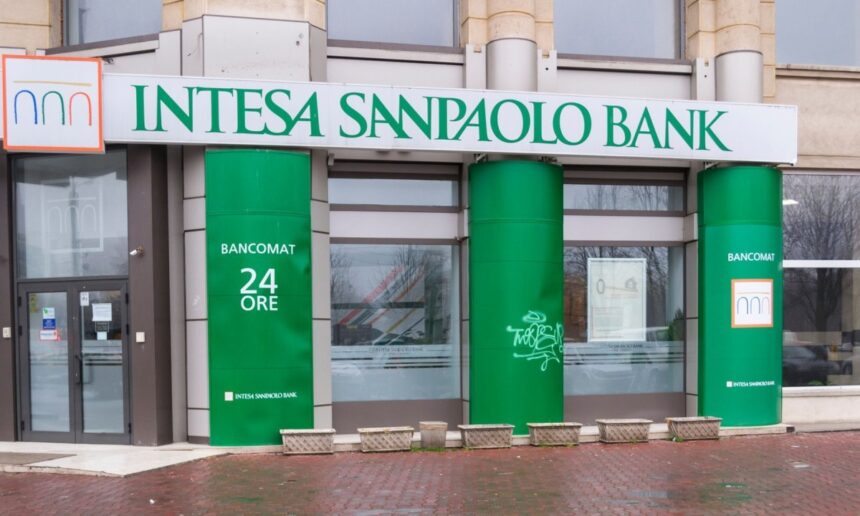
KeyToFinancialTrends reports that Intesa Sanpaolo, Italy's largest bank, has been fined €18 million for violating data protection laws. The Italian data protection authority discovered that the bank unlawfully used personal information from 2.4 million clients, including their age, financial assets, and digital channel activity, to create profiles and subsequently use this data without the clients' consent.
At KeyToFinancialTrends, we emphasize that this incident serves as a stark reminder of the importance of adhering to strict data security standards, especially in the era of digital transformation and increasing regulation surrounding personal data protection. Even large financial organizations, such as Intesa Sanpaolo, cannot ignore legal requirements, as violations can lead not only to financial losses but also to long-term damage to client trust.
According to the investigation, the bank used clients' personal data to create profiles, including parameters like age under 65, financial assets, and frequency of digital channel use. This data allowed the bank to alter contract terms with clients and even share information with third parties, directly violating data protection laws.
However, the most serious violation was the bank's failure to adequately inform clients about the transfer of their data. Instead of sending notifications through more active communication channels, such as push notifications, the bank used the archived section of its mobile app to place these notifications at inappropriate times, making it difficult for clients to perceive and control their personal data.
KeyToFinancialTrends notes that such cases highlight the need for transparency and clarity in managing personal data. Banks and financial institutions are obligated not only to comply with legal requirements but also to ensure full client awareness of any changes regarding their data. In the digital economy, ignoring this aspect can lead to severe consequences for a company's reputation and financial health.
With increasing regulatory demands, Intesa Sanpaolo's actions serve as a clear example of how critical it is to adhere to data security norms, especially in countries with strict regulations like those in the European Union. At KeyToFinancialTrends, we predict that future data protection violations will result in even harsher sanctions, and the requirements for financial institutions to ensure data security and confidentiality will only grow stronger.
We forecast that Intesa Sanpaolo will likely take steps to improve its data protection policies to restore client trust and minimize reputational risks. It is important to note that the bank cooperated actively with authorities during the investigation, which helped reduce the size of the fine. However, the consequences for the company's image may have long-lasting effects.
At KeyToFinancialTrends, we believe that all financial organizations should seriously reconsider their data security policies and update internal data processing procedures. In a time of increasing digitalization and heightened regulation, banks that fail to protect personal data adequately risk not only fines but also the loss of client trust.
Given the rising demands for data protection, we at Key To Financial Trends recommend that all financial institutions pay more attention to complying with legal requirements and ensuring transparency in personal data processing. As regulations become stricter in the future, the demands placed on banks and financial organizations regarding data protection will increase, highlighting the importance of timely changes in corporate practices.