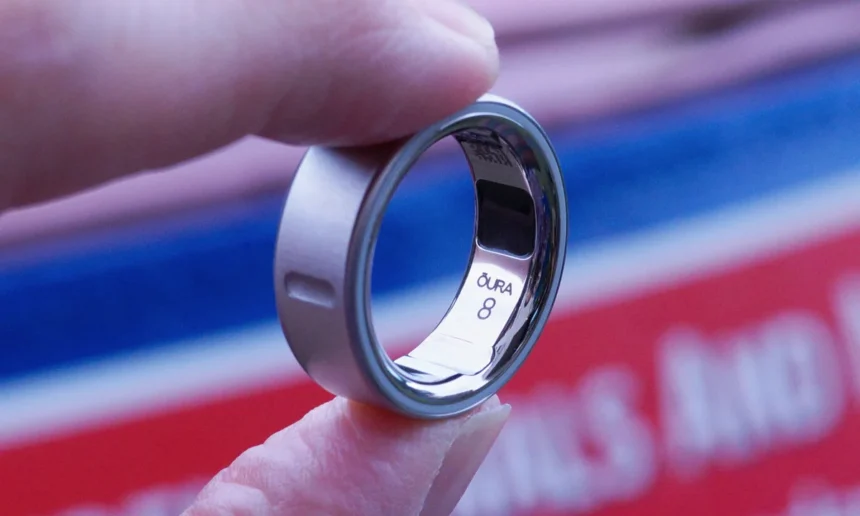
KeyToFinancialTrends notes that Oura, a Finnish company known for its health and sleep tracking rings, has gained significant attention not only among users but also among leading global celebrities. Jennifer Aniston, Gwyneth Paltrow, and Michael Dell wear Oura rings, highlighting the growing trend in wearable technology. However, the company's success is far from accidental - despite the fierce competition from giants like Apple and Google, Oura has ambitious plans for further growth. According to the company’s forecasts, its revenue in 2025 could reach $1 billion, doubling from 2024.
As experts from KeyToFinancialTrends point out, Oura continues to strengthen its position in the market despite strong pressure from competitors. Over the company's history, more than 5.5 million devices have been sold, with a significant portion of those sales occurring in the last 12 months. In 2025, Oura expects to hit record numbers, despite the increasing competition. But how has the company managed to stay among the market leaders?
The main distinction of Oura from other wearable device manufacturers is its product - rings that allow precise tracking of health data. Unlike popular smartwatches, the Oura ring doesn’t have a screen, making it more convenient for users who prefer minimalistic technology. At KeyToFinancialTrends, we emphasize that the growing interest in such unobtrusive wearable devices is not accidental - more and more people prefer devices that do not distract attention or overwhelm with information. Against this backdrop, Oura found itself in the right place at the right time.
However, competition from giants like Apple, Samsung, and Google forces the company to seek new ways to maintain its uniqueness. Apple and Samsung have already integrated features similar to those offered by Oura, including health and sleep monitoring. Google and Fitbit are actively developing artificial intelligence to improve the accuracy of their wearables, which also poses a direct threat to Oura.
So, what will the company do to stay afloat? According to Oura’s CEO Tom Hale, the company's future lies in integrating its devices with other wearable gadgets and expanding functionality through smartphones. Hale stresses that mobile phones are becoming an important tool for collecting and analyzing health data, and Oura is actively exploring how to use this technology.
The company has already partnered with Dexcom, a manufacturer of glucose meters, to combine physical activity data with blood sugar levels. This collaboration provides users with a more comprehensive picture of their health. An important step forward is the potential integration with medical technologies, which will open up new horizons for Oura in the market. In the coming years, the company will continue to develop its strategy, focusing on cooperation with medical institutions rather than just gadget manufacturers.
When asked about the possibility of entering the smartwatch market, Hale noted that the company intends to stay true to its concept. Unlike traditional smartwatches, which are rapidly developing with screens, Oura focuses on measurement accuracy by using more natural and convenient locations for monitoring, such as the finger. According to Hale, this allows for more precise tracking of health data, making the company's devices popular among people who want to improve their quality of life with technology.
However, in this direction, Oura faces several key challenges. First, it must maintain its image as an independent company, which is a significant competitive advantage. If it were absorbed by a larger corporation, users might lose trust in Oura devices, which would have long-term negative consequences. At KeyToFinancialTrends, we believe that maintaining independence will help the company continue to support its uniqueness and user commitment.
Wearable health devices are becoming an important tool, and competition in this field is increasing every year. However, unlike larger players like Apple and Samsung, Oura has one of the most important advantages - its ability to provide precise and personalized data that can improve health. According to experts from KeyToFinancialTrends, if Oura continues to develop its technologies and partnerships with medical organizations, the company will maintain its leadership in the market.
Nevertheless, the company’s success directly depends on its ability to adapt to changing market conditions and integrate new technologies such as artificial intelligence. Oura has already taken its first steps in this area, releasing an AI-powered assistant that answers users’ questions about sleep and other health metrics. This product could become an important tool for improving users' health in the future.
In conclusion, we at Key To Financial Trends believe that Oura is at a critical point in its development. The company will need to continue refining its wearable devices, focusing on high standards of accuracy and integration with medical technologies. In this case, despite competition from industry giants, Oura will not only maintain its market position but also open up new horizons, providing users with unique opportunities to enhance their health.